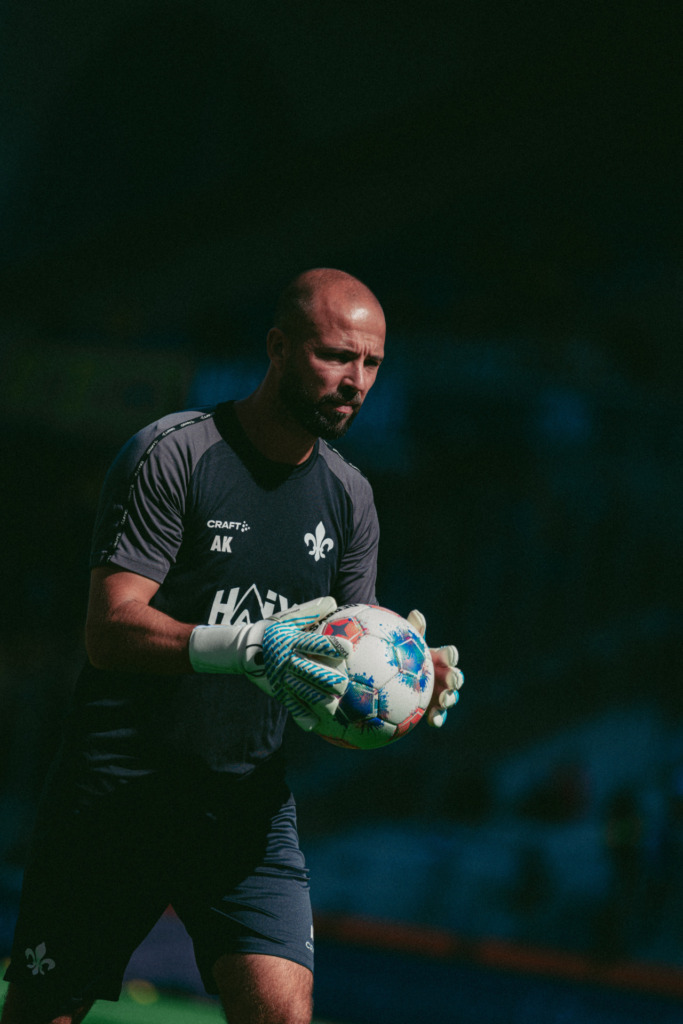
 Foto: SV 98
 09.01.2026 / English
„I find that positively extraordinary“
Alexander Kynaß has been training the goalkeepers of SV 98 for more than a year. During the training camp, we sat down with the 37-year-old to talk about his career path, his work with the keepers, and many other topics.
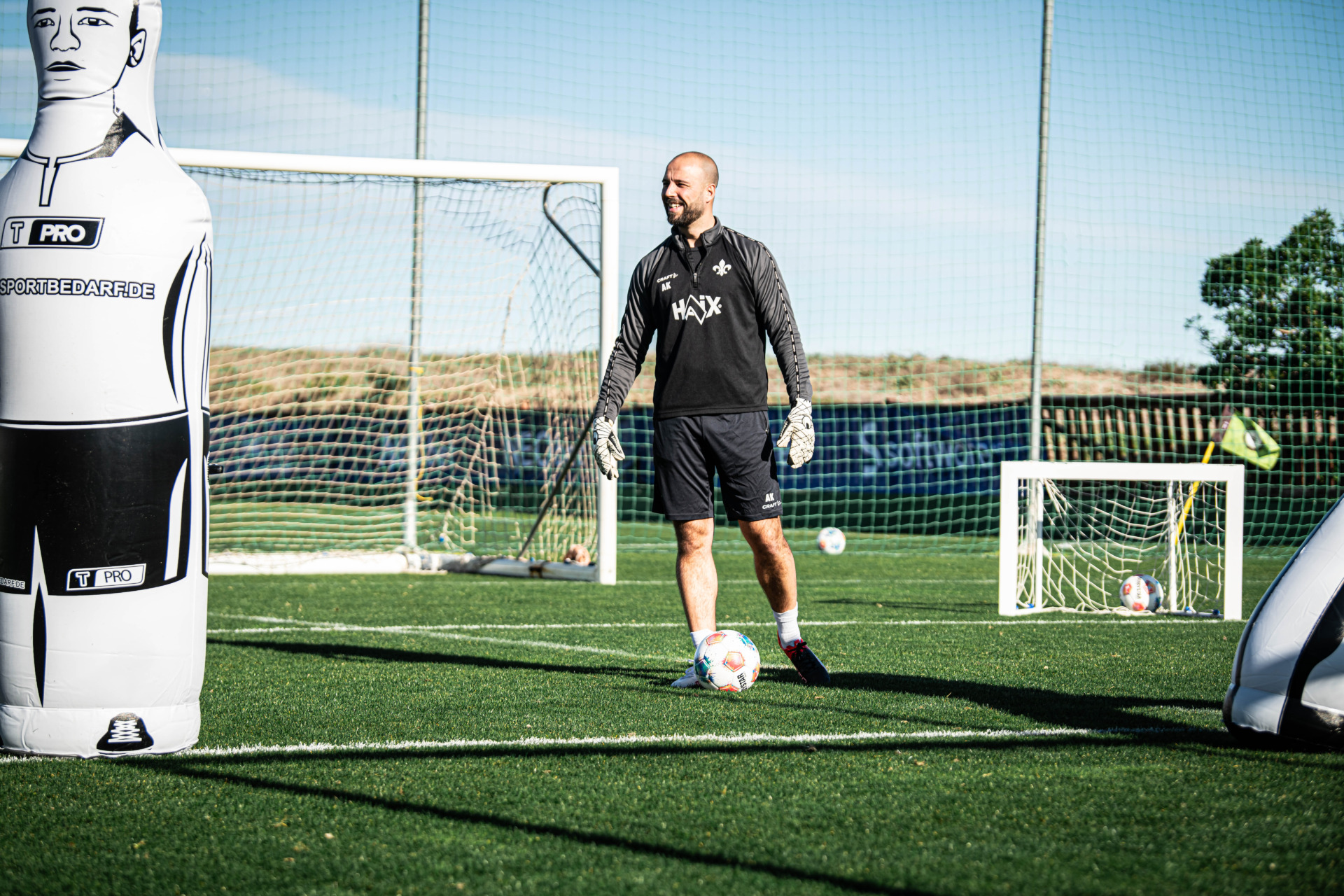
sv98.de: Alex, you’ve been working as a goalkeeping coach for Darmstadt for 14 months now. How do you look back on this time so far?
Alexander Kynaß: „Very positively. The time has flown by incredibly fast; the 14 months feel like they were just a snap of the fingers. They made it very easy for me to get started here. I already knew Flo and Heckes, but everyone else was also incredibly welcoming. The goalkeepers were also very positive and eager to learn from the beginning. These impressions have continued to this day.“
Flo was also a goalkeeper. Does that help you in your collaboration, or does it make your job more difficult when the head coach has a background as a keeper?
„If I didn’t know, I probably wouldn’t even notice. He knows a lot about goalkeeping, but he gives me complete freedom in my area.“
Do you have to have been a goalkeeper yourself to become a goalkeeping coach?
„I think it’s very difficult otherwise. You have to have a certain feel for the position. I wasn’t a professional myself, but I was at least a goalkeeper, so I naturally have a connection to the position. I find it interesting that goalkeeping coaches with their own professional background often choose a different approach than goalkeeping coaches with a similar background to mine. The former professional often trusts the path and methods they experienced as a player. The other category, in my opinion, is more open to many different things and methods and tries out different approaches. Of course, both paths can work extremely well.“
Foto: SV 98  Foto: SV 98
 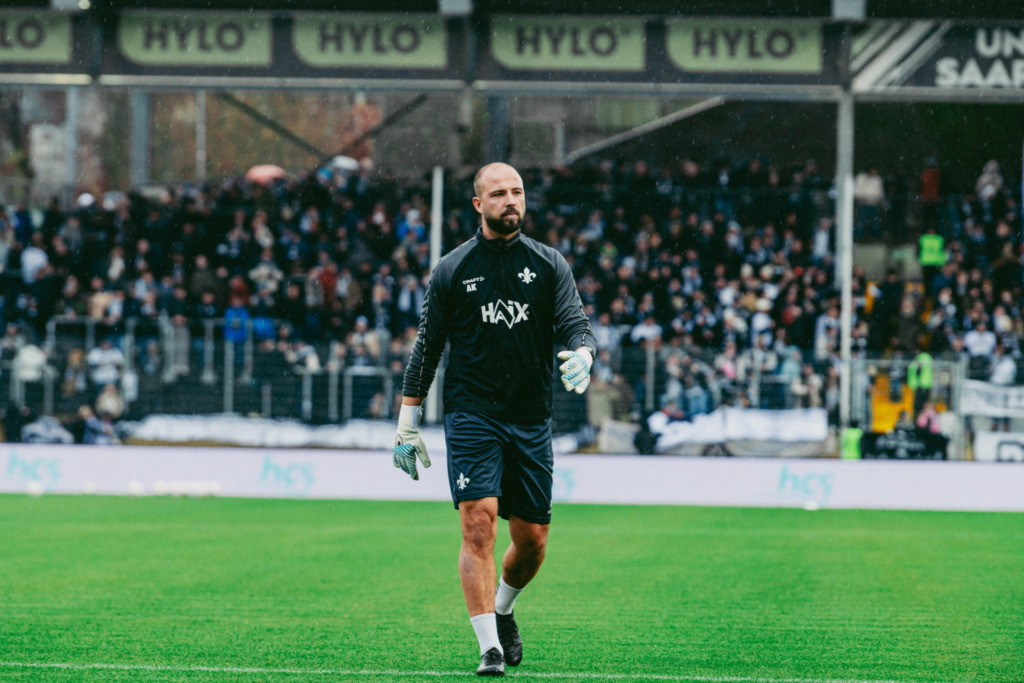 Foto: SV 98
 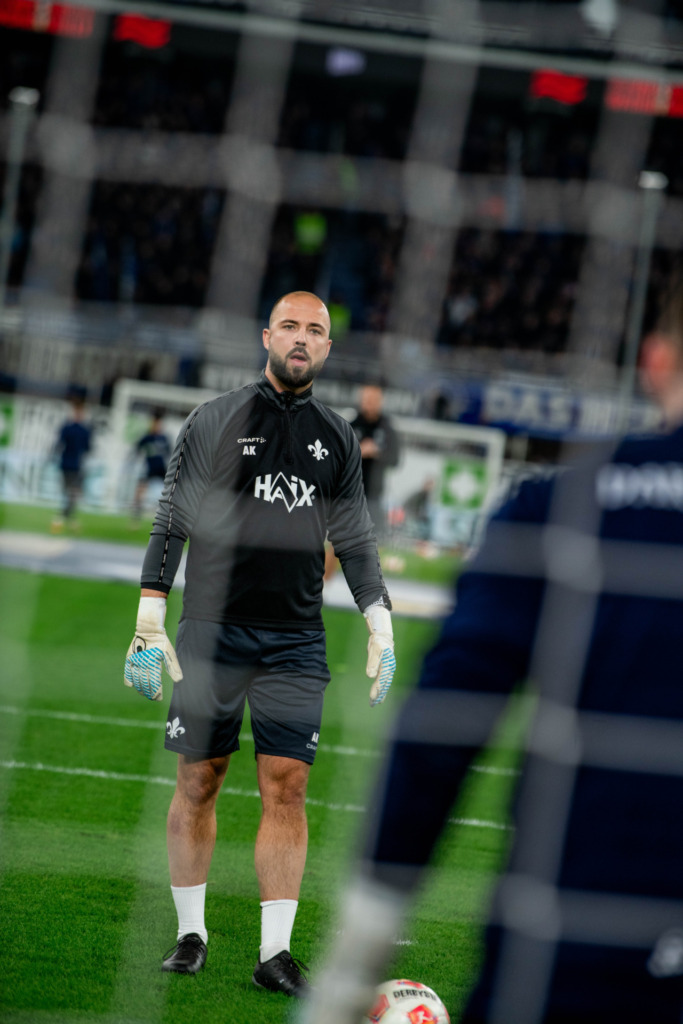 Foto: SV 98
 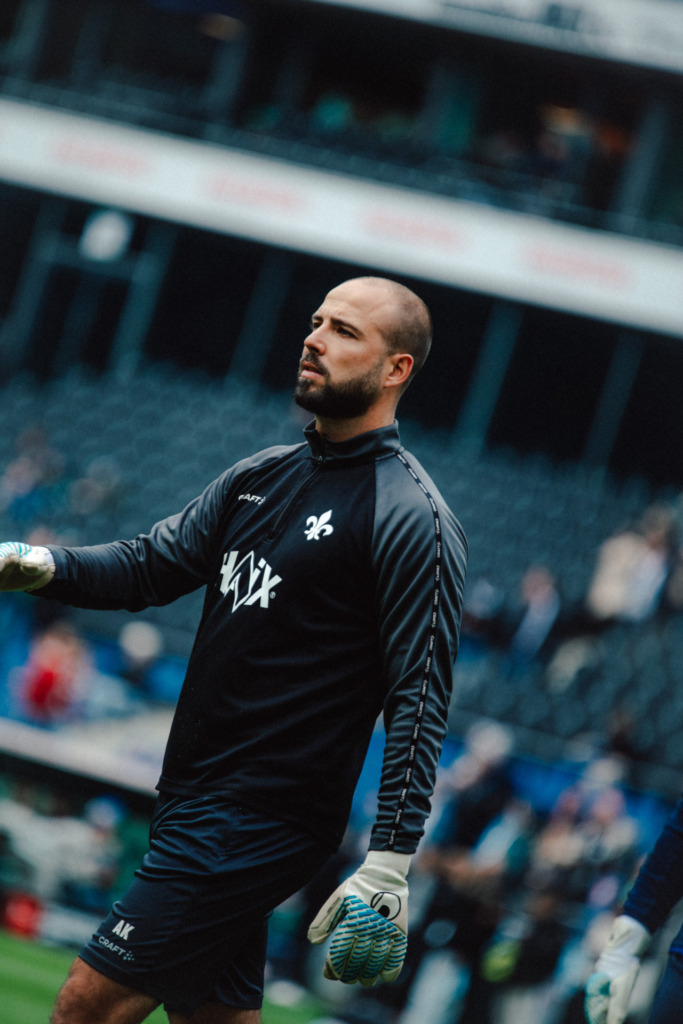 Foto: SV 98
 Briefly outline your own playing career…
„I became a goalkeeper relatively late. Until I was 16, I played outfield. In Brandenburg, for a small club. But then I wanted to play in goal, but at that club I was only allowed to play as keeper when the other one was injured, because they needed me on the field. That’s why I moved to Köpenicker SC as the third-choice goalkeeper and eventually worked my way up to number one. Over the years, I managed to earn at least a few euros alongside my studies by playing for Tennis Borussia Berlin in the Berlin-Liga (similar to the Hessenliga).“
And during your time as a player at TeBe, you were already working as a youth goalkeeping coach…
„Exactly. I actually got my first goalkeeping coaching certificate to improve myself as a goalkeeper. (laughs) I had rather traditional goalkeeping coaches, where many of the exercises didn’t make sense for me as a goalkeeper. So, to gain a different kind of expertise, I got the certificate. At the same time, I was always in contact with TeBe because, as a student on a tight budget, I wanted to earn some extra money. And they offered me the opportunity to do goalkeeping training once a week with the U17 and U19 teams. After that, it developed into me doing training five times a week for the U15, U17, and U19 teams, and I ended my playing career in the winter because I enjoyed goalkeeping coaching so much.“
How did you manage to make the leap from there to the professional level?
… „I was also a bit lucky. (laughs) I recently watched a video of one of my training sessions from 14 years ago, and from today’s perspective, I’d be very critical of my former self. But I had some very talented goalkeepers in TeBe’s youth academy, for example, Avdo Spahic, who now plays for Kaiserslautern. And other goalkeepers also attracted interest, and at some point, RB Leipzig inquired about one of our keepers. That’s how I got in direct contact with Thomas Schlieck, who has been coordinating the goalkeeping department in Leipzig for almost 15 years. Leipzig was certainly the most innovative club in goalkeeping training back then, and Thomas Schlieck was an icon. This contact allowed me to regularly observe training sessions in Leipzig until I was eventually offered a full-time position in their youth academy. I then put my law studies on hold and pursued this path. It’s a bit of a strange situation, because I originally wanted to earn some money during my studies by coaching goalkeepers, and in the end, I ended up putting my studies on hold for goalkeeping training.“ „I threw it.“ (laughs)
What makes this job special for you?
„Firstly, it’s the mix of practical and theoretical work. Preparing and following up on things in the office and then putting it all into practice on the pitch. Secondly, it’s the daily interaction with the guys, the direct collaboration with people. The job is extremely multifaceted. I usually work with a small group, which I’ve always found appealing. Working specifically with two, three, or maybe four players, helping them improve. In such a small group, it’s also easier to give each goalkeeper individual attention.“
In Darmstadt, there are now a few more things involved. You work with the strikers and help with set-piece analysis. Has the role of the goalkeeping coach evolved in this respect?
„These days, it’s often mentioned in the courses and conferences for the goalkeeping coach license that the role of the goalkeeping coach is shifting somewhat towards that of an assistant coach. From my perspective, it makes a lot of sense to involve the strikers in training and essentially turn it into striker training. Every goalkeeper has certain patterns. I try to identify these and then pass them on to our strikers before each match. Even so, it sometimes feels wrong to praise the strikers for a good shot against ‚my‘ goalkeepers. (laughs) Set pieces are primarily Scholty’s responsibility, of course, but sometimes he asks me for advice or about something unusual about the opposing goalkeeper, and I try to help with that.“
 Foto: SV 98
 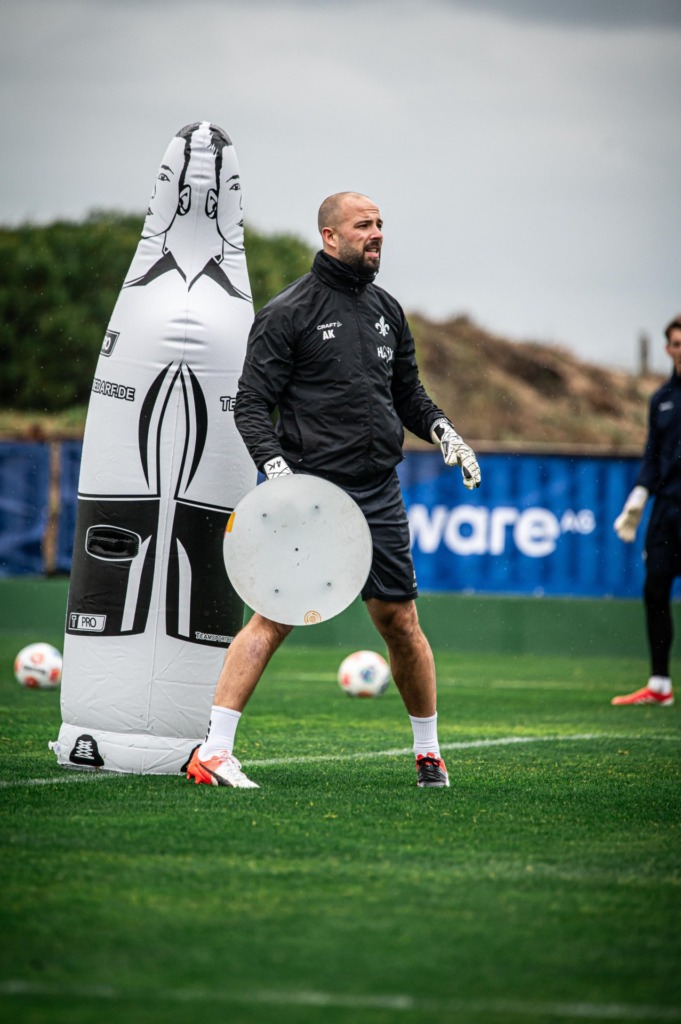 Foto: SV 98
  Foto: SV 98
  Foto: SV 98
 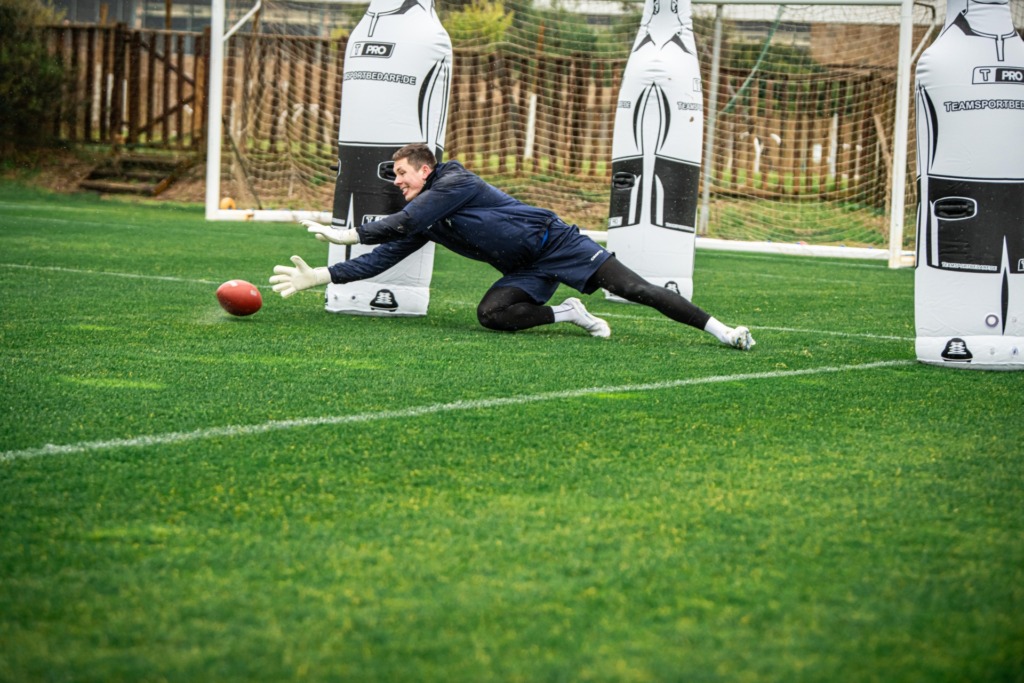 Foto: SV 98
 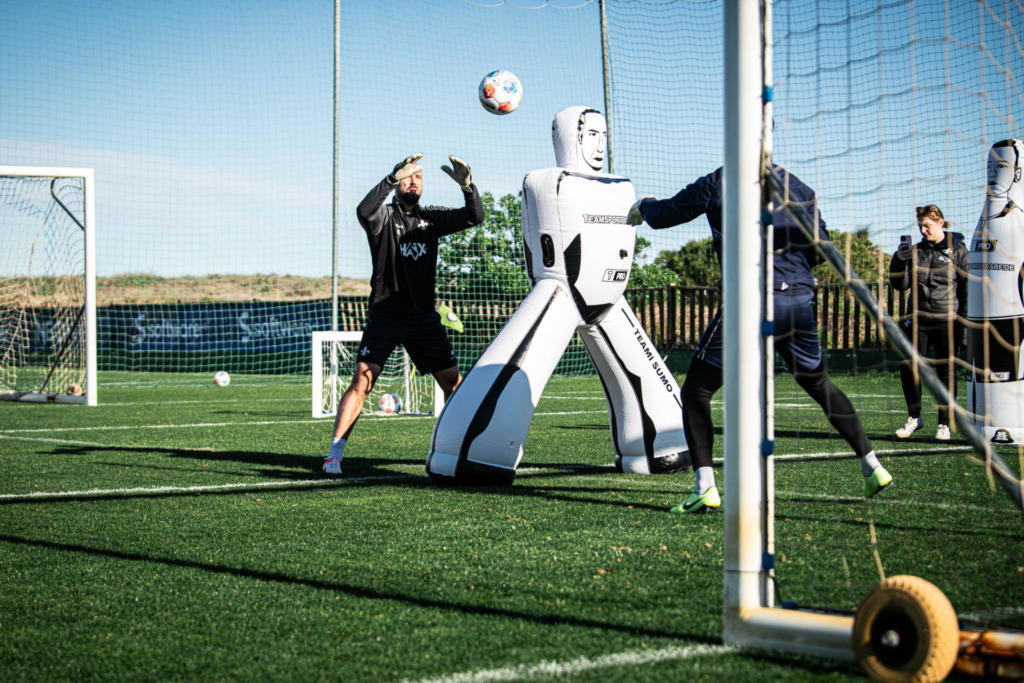 Foto: SV 98
 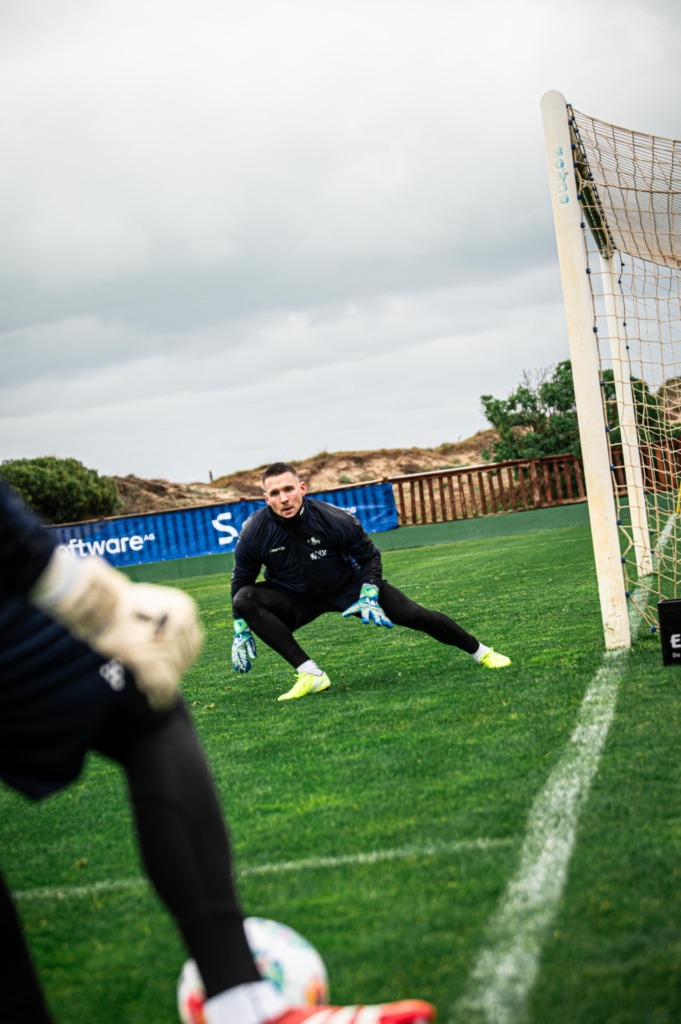 Foto: SV 98
 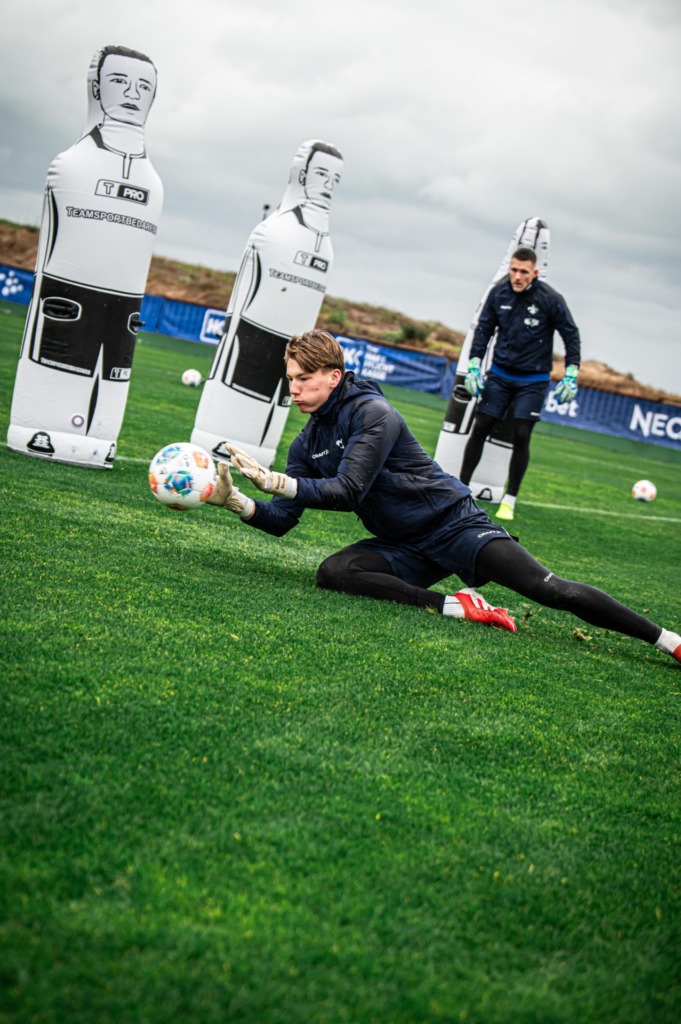 Foto: SV 98
 Here at training camp, you also use different balls and equipment to structure the goalkeeper training. How much fun do you have with these „gadgets“?
„Flo sometimes calls me a bit of a goofball. (laughs) But it’s fun because variety is important for the guys, and all these things serve a purpose. People learn best when they’re having fun, so I like creating these kinds of scenarios. But it has to make sense. Especially on social media, you constantly see influencer goalkeepers doing things that look good in the video but aren’t effective. We certainly don’t do that. For example, if I use a football, it’s about the players watching the ball and its trajectory very closely and reacting lightning-fast if the football changes direction again.“
Generally, you goalkeepers are always looking for competition. Why is that so pronounced with you? Or is that typical for the position?
„I’ve also been on goalkeeper teams that weren’t so keen on that. Here, I have an extremely cohesive group that complements each other very well, but also pushes each other. Ultimately, truly ambitious goalkeepers almost always crave a competition. And in those moments, they can flip the switch and do everything they can to win that competition.“
As is well known, only one player can play in this position at a time. And yet, the trio seems to work very well. Especially with goalkeepers, we’ve certainly seen things go differently…
„I find that positively exceptional. Certainly, there are a few other places in German football where it’s similar, but it’s not the norm. With Benedikt Börner, we deliberately brought in someone in the summer who fits perfectly into the setup with Schuh and Alex. Bene is doing a fantastic job, is very hardworking and always gives his all, but at the same time very respectful and humble towards the other two. He embodies the fundamental virtues that have somewhat disappeared in many clubs in recent years. He knows what he has to do, and in return, the other two help him every day. With Alex as the number two, you have someone who would naturally like to play, but who accepts the current hierarchy and still gives 100 percent every day, always remaining in a good mood. He contributes an incredible amount to this team and is unbelievably important. If we look at striker training, for example, he throws himself into every 40 or 50 shots with full force and conviction. Even though that’s certainly uncomfortable at times. And he combines that with so much…“ Positivity, I find that remarkable.“
The third member of the trio is still missing…
“Schuh is incredibly hardworking. That’s not something you can take for granted at 32. He comes to the pitch every day and he’s going to keep improving. He’s always open to new things and always listens carefully to me. He embodies this team spirit. He’s extremely self-critical in the video analysis, asks questions, and is constantly thinking about what he can improve. His statistics, even with his footwork, are really good compared to others in the league. He’s also someone who leads by example and makes sure the group is cohesive and the team functions well.”
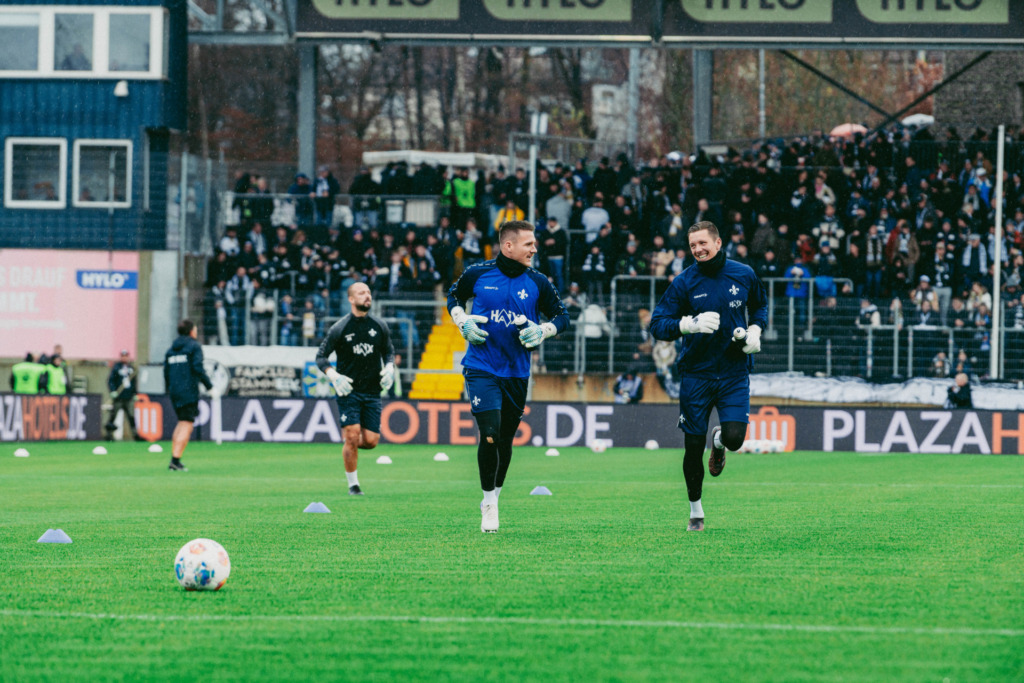 Foto: SV 98
  Foto: SV 98
 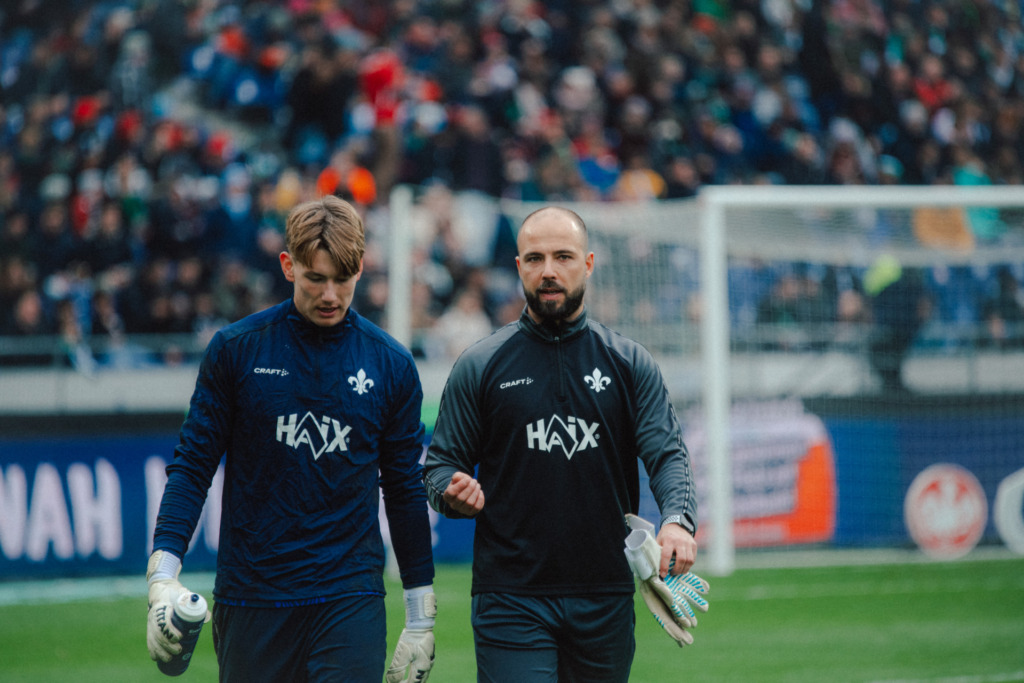 Foto: SV 98
 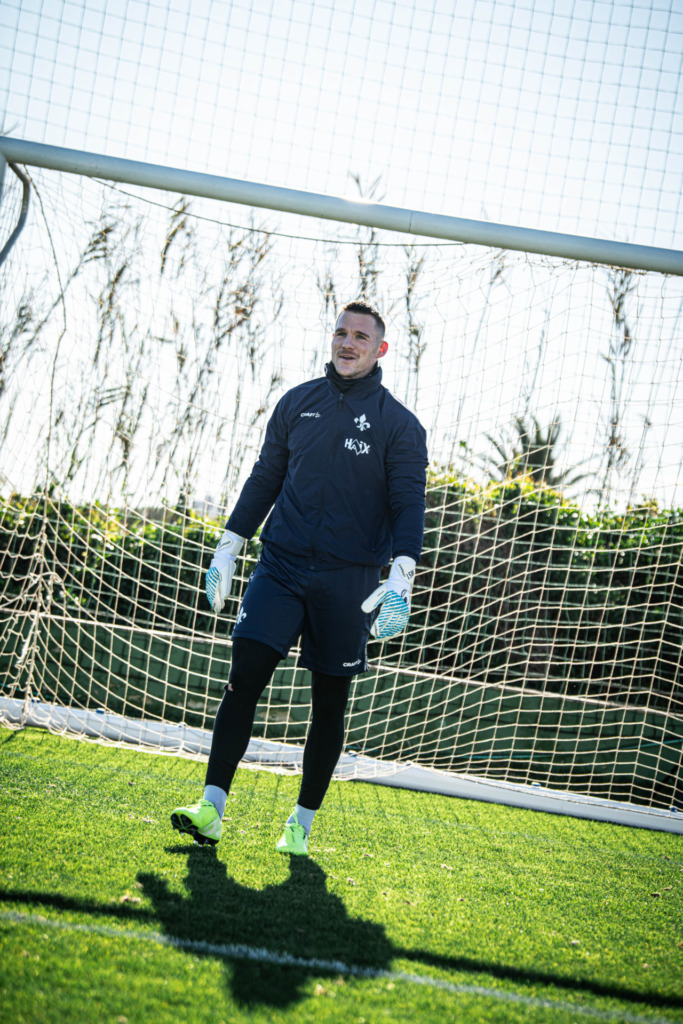 Foto: SV 98
 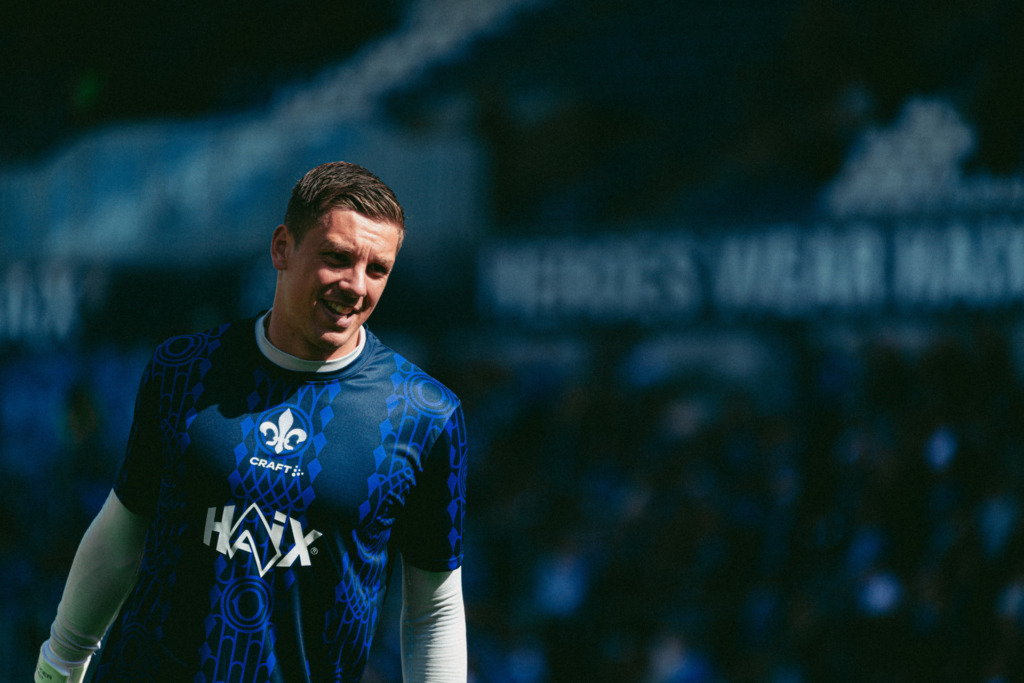 Foto: SV 98
 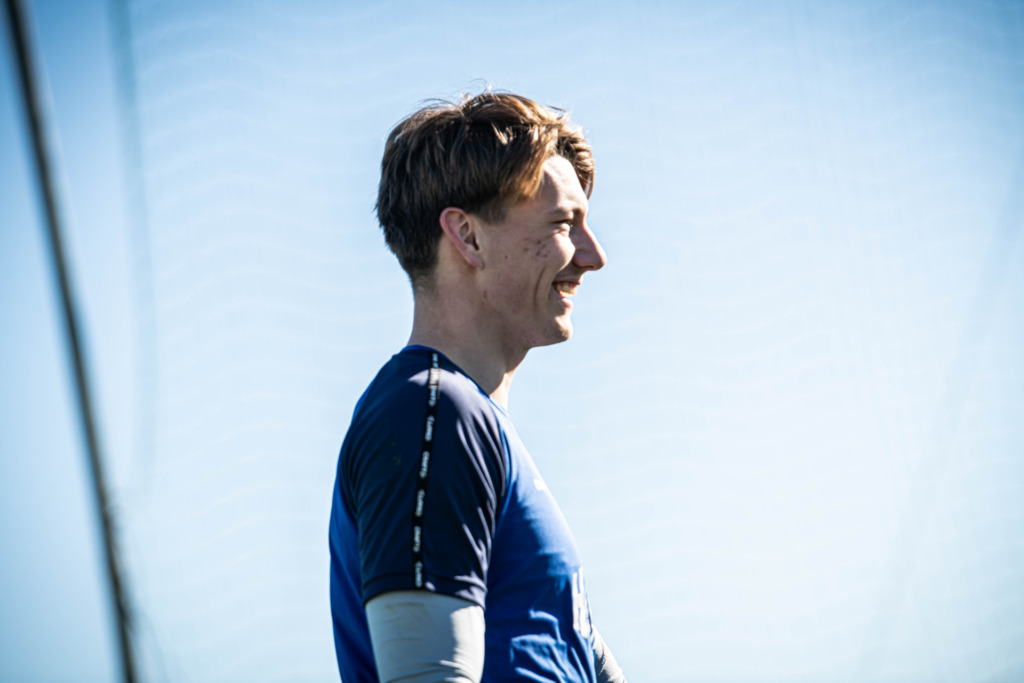 Foto: SV 98
 Is there a ritual or something similar when you keep a clean sheet at the weekend?
„We have a goalkeeping kitty. If we keep a clean sheet, we all contribute. And then we like to buy something new for our goalkeeping training from the kitty.“ (laughs)
There were seven clean sheets in the first half of the season. Are you satisfied?
„Basically, a win is always the most important thing, regardless of how it’s achieved. In the end, the performance is more important to me than a clean sheet. Take the game in Hanover, for example, where we conceded two goals, but Schuh put in an outstanding performance. So: first the win, then the performance, and a clean sheet comes third.“
Thank you for the interview, Alex!
Facts & Stats: The top facts about the Dresden game
Darmstadt 98 aim to extend their unbeaten run to 14 games in Friday evening's match against Dynamo Dresden. While Darmstadt's potent attack has resulted in a respectable goal tally, they are wary at the Rudolf-Harbig-Stadion. The Saxons have been on an upward trend since the winter break and will have a vociferous home crowd behind them. We've compiled all the facts and figures surrounding this clash in this report. Here you'll find the key facts for tomorrow's match.
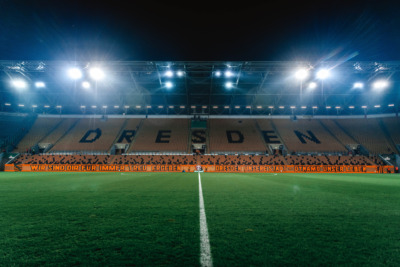
Fan Information for the Dresden Game
Darmstadt and Dresden are 598 kilometres apart. On Friday evening (February 27th, 6:30pm), SV Darmstadt 98 will travel to the Saxon capital for the 24th matchday of the 2nd Bundesliga. The next away game will take place under the floodlights at the historic Rudolf-Harbig-Stadion. You can find all relevant fan information here.
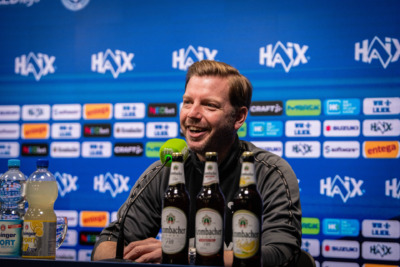
„Pure football romance“
Before SV Darmstadt 98 plays under floodlights in Dresden on Friday evening (27.02/18.30), Florian Kohfeldt spoke at the press conference about the strengths of Dynamo Dresden and the special atmosphere in the Rudolf-Harbig-Stadion.
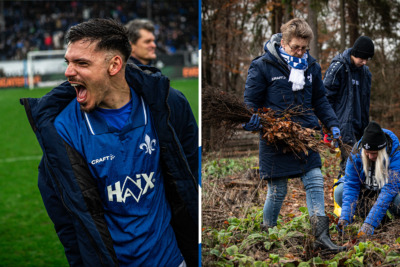
“Now I’m happy in Darmstadt!” | Lilies launch their 5th tree planting campaign
Raoul Petretta joined SV Darmstadt 98 in the winter and already feels very much at home. He talks about his arrival and his goals. Besides their sporting focus, the Lilies are also committed to sustainability: On March 15, 2026, over 3,500 trees will be planted as part of the fifth "In the Sign of the Lily" tree-planting campaign. In our "Lilies Across the Board" section, we provide you with the most important news from SV Darmstadt 98 every week.
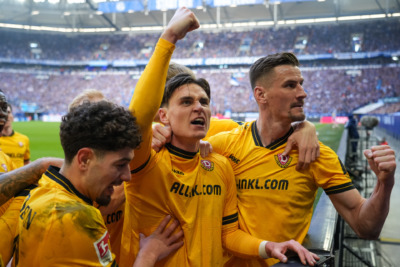
Opposition Check: SG Dynamo Dresden
Numerous Dynamo Dresden fans flock to the stadium on home match days. But one day, they came for a single reason: What should their stadium be called in the future? Tens of thousands of supporters gathered in front of the Rudolf-Harbig-Stadion, ready to cast their votes. In cooperation with regional partners, Dynamo Dresden's management took the unusual step of letting the club's supporters decide for themselves.
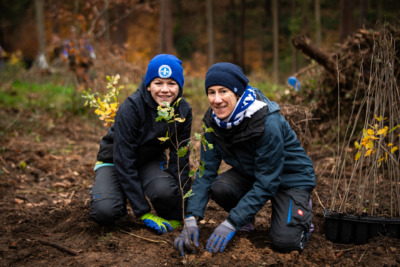
5th Tree Planting Campaign: Register now!
WirLilien – Together for nature conservation! Together with our partner Krombacher, we will once again plant more than 3,500 trees on Sunday (March 15th) – under the banner of the Lily. You can still register for the event at short notice.
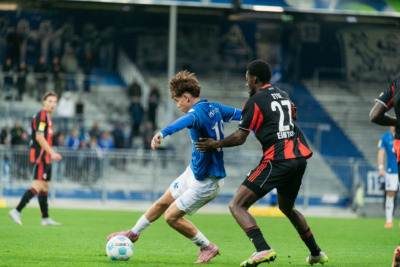
U21: With renewed energy into the rest of the season
On Friday (February 27th, 7:30pm), SV Darmstadt 98's U21 team begins the second phase of their Hessenliga season. With 23 points after 20 matchdays, the Lilies are currently in 14th place. Following intensive weeks of winter training, the team aims to start the upcoming challenges with renewed energy and secure crucial points.
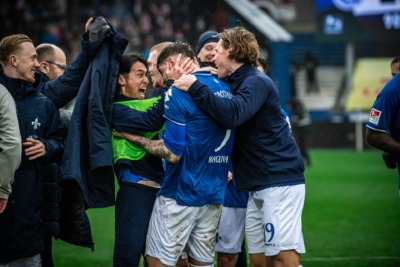
Analysis of the home victory: The resistance fighters from Bölle
A fast-paced, thrilling exchange between SV Darmstadt 98 and Fortuna Düsseldorf reached its ecstatic climax in the 88th minute. Thanks to Matej Maglica's header, Darmstadt secured a 2-1 victory in a wild battle that resembled a 12-round boxing match, with both sides neglecting their defences and constantly searching for the next hook or punch. A day later, sv98.de looks back on what was probably the most exciting home game of the season so far for the South Hessian side.
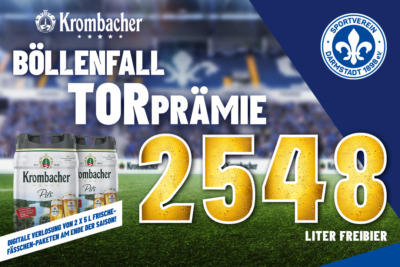
Krombacher Böllenfalltor GOAL bonus
For every home goal scored by the Lilies, SV Darmstadt 98 fans will be doubly rewarded in the 2025/26 season. In addition to the joy and excitement, the Lilies' supporters will also receive 98 litres of Krombacher Pils for every home goal scored by Darmstadt at the Merck Stadium at Böllenfalltor.
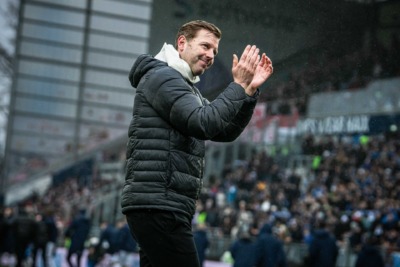
„We held onto the belief in victory until the very end.“
In an intense 90 minutes between SV Darmstadt 98 and Fortuna Düsseldorf, the Lilies fought back to secure three points shortly before the final whistle. The early lead taken by the team from southern Hesse was quickly erased by the Rhinelanders. The match became increasingly wild and physical. The second half remained evenly contested, but in the end, SV 98 once again demonstrated their fighting spirit: Matej Maglica's late header sealed the three points. What do the players and the two head coaches have to say about this thrilling encounter? We've compiled all the post-match reactions.
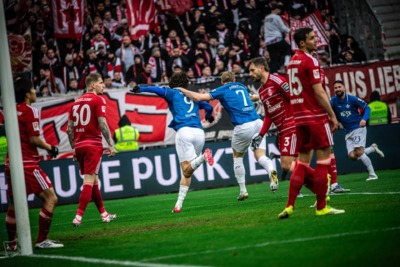
Home win! Impressive winning streak continues at Bölle
SV Darmstadt 98 remain a force to be reckoned with at the Merck Stadium at Böllenfalltor! The Lilies defeated Fortuna Düsseldorf 2-1 (1-1) on matchday 23. It's their sixth consecutive home win, bringing their total to 45 points. Hornby opened the scoring for the home side after just seven minutes, before Maglica (88th minute) netted the decisive goal in the second half.
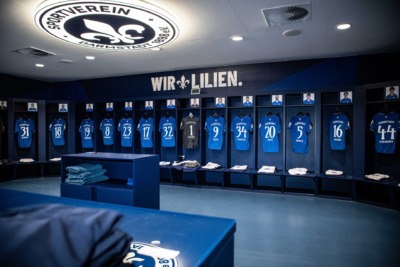
Team News: Hornby and Lidberg Start
Darmstadt host Fortuna Düsseldorf! Florian Kohfeldt has made four changes to his starting lineup. Fraser Hornby (returning from illness) and Isac Lidberg (recovering from a thigh injury) return to the starting eleven, replacing Luca Marseiler and Merveille Papela. Niklas Schmidt starts in place of Hiroki Akiyama, and Fabian Holland replaces Fabian Nürnberger, who is unavailable due to a minor thigh injury.