28.02.2026 / English
Lack of context
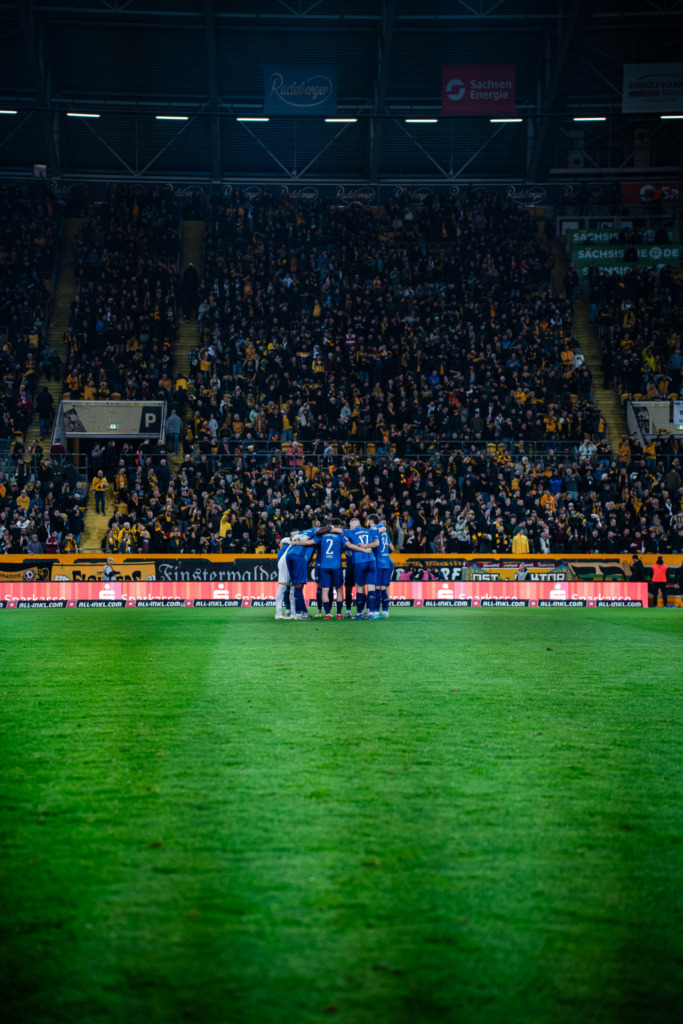
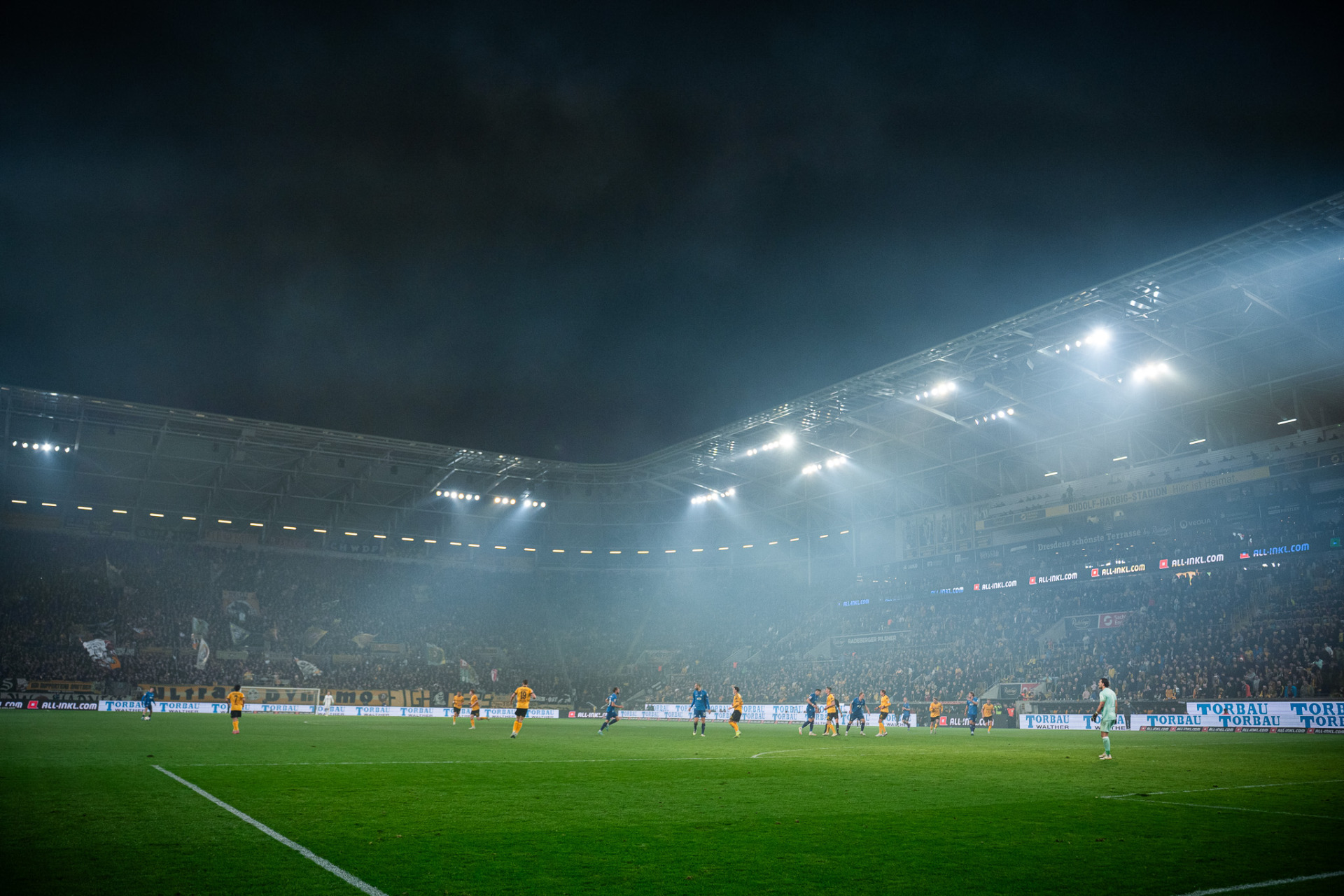
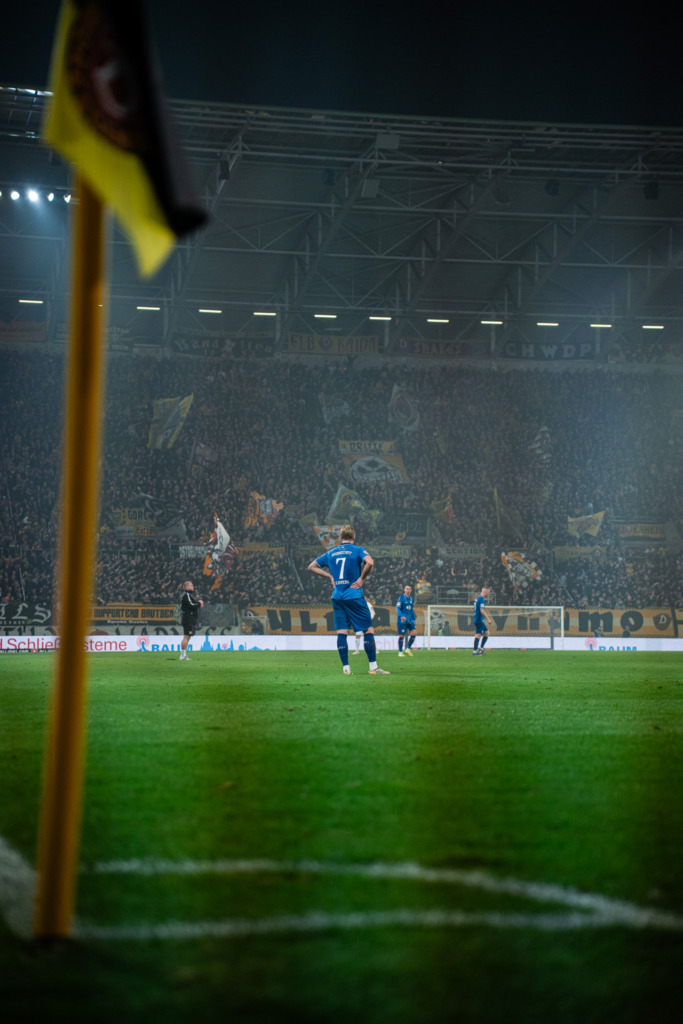
More than 30,000 fans packed the Rudolf-Harbig-Stadion, creating an impressive atmosphere under the floodlights – pure football romance. The setting for Darmstadt's away match against Dynamo Dresden was truly special. Two teams with a playful and attacking approach faced off. For 42 minutes, these ingredients combined to create an entertaining, tactically sophisticated, and intense duel. Until a referee's decision decisively influenced the outcome. We look back on an emotional evening in Dresden.
Scene of the Match:
The defining moment of the evening occurred in the 42nd minute, but its story began as early as the seventh. Following a long ball from Marcel Schuhen, Isac Lidberg skillfully outmaneuvered Dresden’s Thomas Keller in a one-on-one situation. The Dynamo defender could only prevent the Swede from breaking free towards goal by forcefully holding him back. Referee Lars Erbst brandished a yellow card, prompting immediate protests from Darmstadt, as Keller’s foul met many criteria for a professional foul. As a result, the defender was fortunate to remain on the pitch. A decision that Florian Kohfeldt subsequently questioned in his individual assessment, but did not categorically condemn: „I’ll even accept that he (referee Erbst) might find a reason not to give Keller a red card,“ said the head coach of the Lilies, before turning his attention to the 42nd minute: „But then to later decide on a sending-off on the other side. That’s unacceptable.“
And indeed, all involved that evening agreed that the context and comparison between Keller’s yellow card and Patric Pfeiffer’s sending-off were particularly baffling. Pfeiffer slipped on the edge of his own penalty area, losing the ball to the onrushing Ben Bobzien, whom the Darmstadt centre-back could only stop with a foul. The foul itself was undeniable. But the punishment in the form of a red card was simply wrong. Kohfeldt’s anger over the incident was therefore understandable: „Paddy makes contact with the opponent, no question. But there are two other players, Maglica and Akiyama, in the immediate vicinity who could intervene. Furthermore, the ball is going out wide. A red card is an absolute disgrace, both in the context and in light of the situation.“
The bluntness of the coach’s and captain Marcel Schuhen’s words („That decided the game.“), both known for their composure and rational assessment of a match, underscored how difficult it was for SV 98 to accept this intervention in the course of the game that evening. The team from southern Hesse received full understanding from Dresden’s head coach, Thomas Stamm, who summarised: „The decisions were more in our favour today. I saw two similar incidents: one was judged with a yellow card, the other with a red. That says it all. Both situations must be judged equally. That’s the problem.“
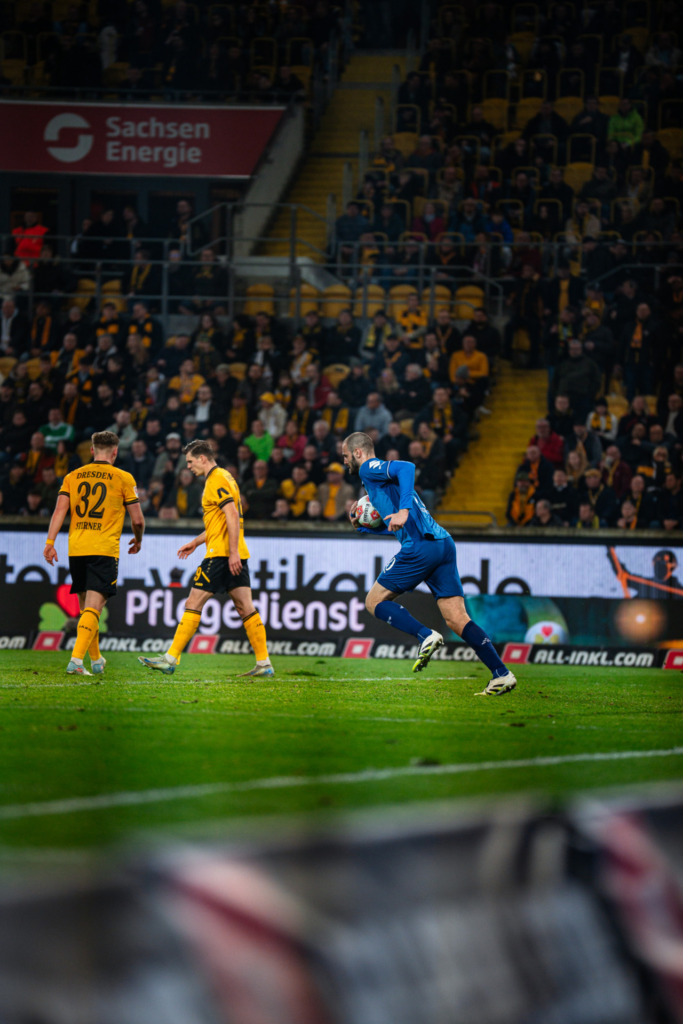
The sending-off was followed by five minutes that would ultimately decide the match. Vincent Vermeij scored twice in quick succession to make it 2-0 for the hosts. Of course, we don’t want to ignore the fact that Darmstadt didn’t perform optimally in either instance, but the decisive factor in the disarray during this period was Pfeiffer’s dismissal.
This went well:
The first 42 minutes: Anyone who has followed Dynamo Dresden’s recent performances will have noticed one thing in particular. Regardless of the opponent, Dynamo almost always dominates the first half. The Saxons managed this in their recent home game against Elversberg and in Hannover. This observation was factored into SV 98’s own game plan. „We knew they would come out with a lot of energy. Nevertheless, after 15 difficult minutes, we managed to gain control. And we had two great chances through Schmidt and Akiyama and could have taken the lead,“ Kohfeldt summarised, reflecting on the majority of the first half. Marcel Schuhen added: „Until the sending-off, we handled the difficult task well.“
While Darmstadt certainly didn’t dominate the hosts, they allowed the technically gifted Dynamo Dresden side no real opportunities, repeatedly launching counter-attacks and creating the two chances Kohfeldt had mentioned. Added to this was the long-term plan the team from southern Hesse was pursuing that evening, a plan Kohfeldt felt his team was on the right track: „I had the feeling that if Dynamo’s energy flagged at any point, we would get even better chances.“
The turning point came in the 42nd minute with the already extensively described sending-off of Patric Pfeiffer. Being down a man and subsequently falling behind naturally changed the dynamics of the game. Dresden was able to lower their attacking options somewhat and sit back a bit deeper, effectively shutting down Darmstadt’s promising counter-attacks.
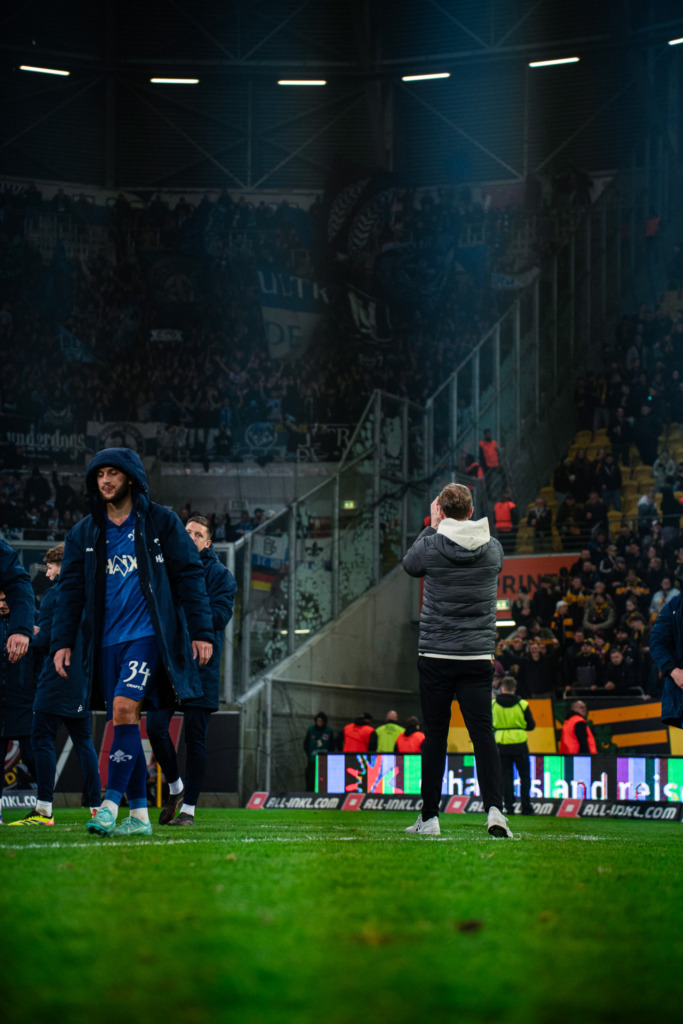
The mentality in the final stages: „Huge respect to my team for how they carried on after going down 3-0. The game was lost, but that shows the team’s mentality.“ With these words, Florian Kohfeldt summarised the final 15 minutes of the match. Indeed, it was quite impressive how Darmstadt besieged the hosts‘ penalty area in the dying minutes and stoppage time, even coming close to a second goal after Yosuke Furukawa’s opening goal. While this period didn’t change the fact of their first defeat since October, it underlined once again that giving up is not an option for this team.
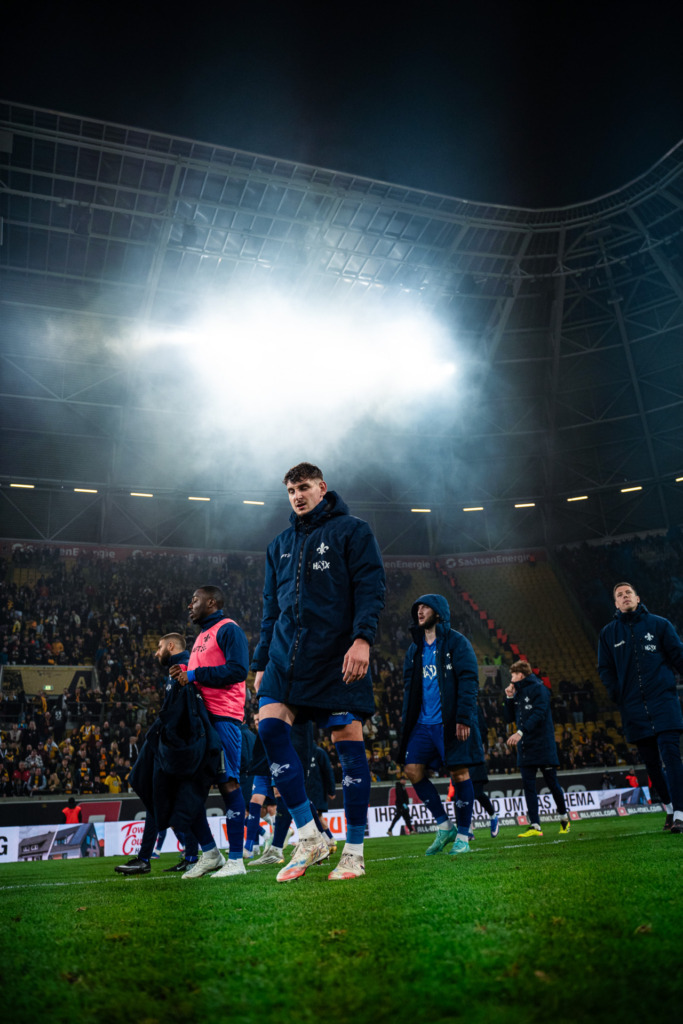
„We are stable, we have a good mindset. We lost, but that’s all that matters.“ Sergio Lopez made it clear just minutes after the final whistle that Darmstadt 98 would bounce back very quickly. Kohfeldt put it even more clearly, concluding his SKY interview with the following sentences: „We lost for the first time in 13 games. But this evening will be a glue for us. I can say that to everyone who hopes we’ll break because of it.“
That didn't go well:
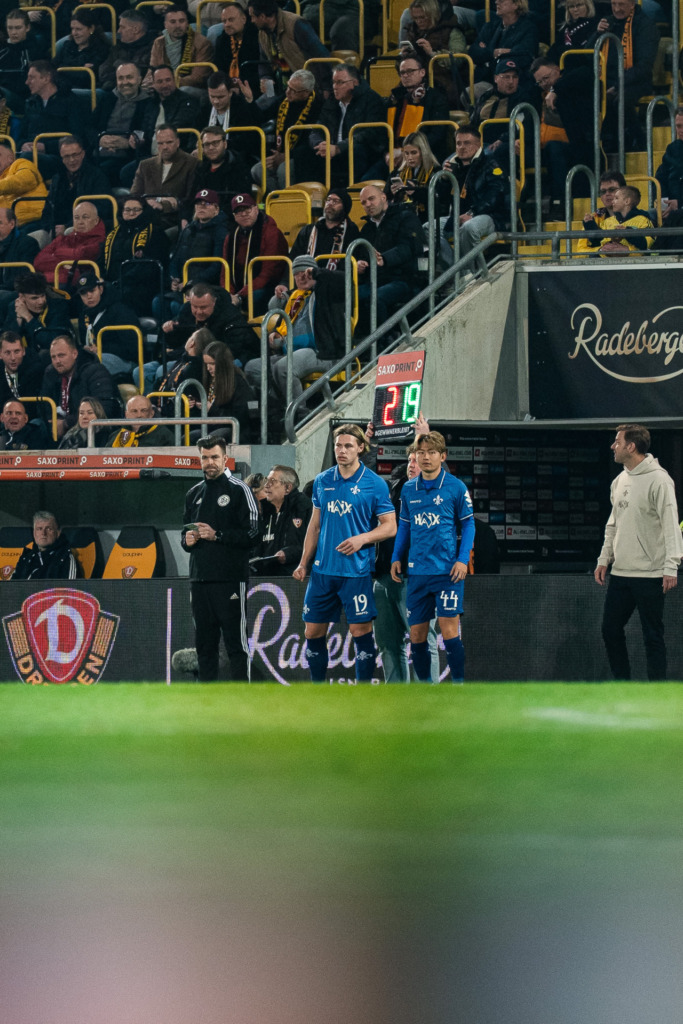
The five minutes before halftime. It’s difficult to analyse the five minutes between Patric Pfeiffer’s sending-off and the halftime whistle. We’ll therefore use Marcel Schuhen’s assessment, who described this sequence as follows: „After the sending-off, Dresden played cleverly. They played that smartly and exploited the situation.“ Aleksandar Vukotic was already on the sidelines, ready to come on, to contain Vermeij’s aerial prowess after Pfeiffer’s dismissal. However, the necessary stoppage in play wasn’t possible to make the substitution. Thus, it was Vermeij himself who headed in the opening goal and shortly afterward increased the lead to 2-0 with a spectacular finish. Darmstadt can only be faulted for the fact that they gifted the opposition the lead-up to the goal with a quickly taken free kick followed by a turnover. „We need to make sure we go into halftime trailing 1-0,“ criticised Kohfeldt, who also acknowledged that a certain amount of disarray and unrest on the pitch following the sending-off was understandable. Nevertheless, the fact remains: the sending-off, combined with Dynamo’s subsequent quickfire double, decided the match in favour of the home side.
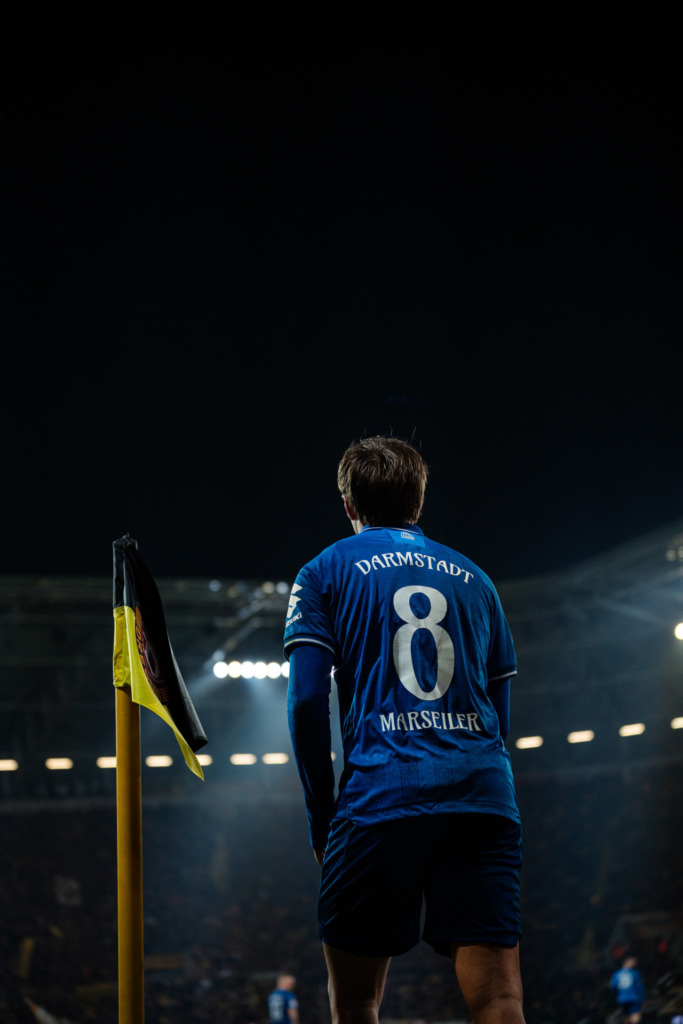
Creating opportunities from the 53rd minute onwards. After Jakob Lemmer’s red card in the 53rd minute, both teams battled it out again with equal numbers for around 40 minutes. Naturally, Dynamo Dresden adopted a different style of play during this phase than in the first 40 minutes of the match. With a 2-0 lead, they focused on stability and control, allowing Darmstadt more opportunities and repeatedly doubling up on Luca Marseiler in particular. This situation naturally made it difficult for Darmstadt to create many clear chances. Some inaccuracies, a lack of pace in their build-up play, or simply not optimal positioning in the penalty area all contributed to their struggles. Until the final stages (see „That went well“), Darmstadt only managed one truly good opportunity, when a deflected Marseiler cross in the 68th minute almost resulted in a goal. At this point, however, it is also appropriate to praise Dynamo Dresden, who handled their leadership maturely and did not really open the door for SV 98.
Quote of the Day:
"We lost for the first time in 13 games. But this evening will be like glue for us. I can say that to everyone who hopes we'll break because of it."
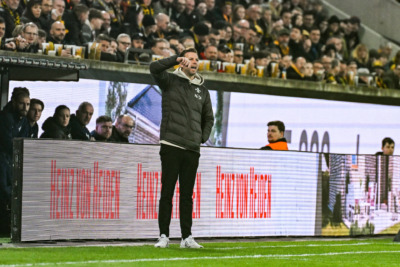
„The referee decided the game today.“
After 13 unbeaten second-division matches, SV Darmstadt 98 suffered their first defeat this Friday evening. Three unfortunate minutes just before halftime, during which Patric Pfeiffer was sent off and Vincent Vermeij scored twice, paved the way for Dresden's victory. After the match, the focus was primarily on the differing assessments of two very similar incidents by the refereeing team – incidents which both coaches subsequently evaluated identically.
Undefeated streak ends
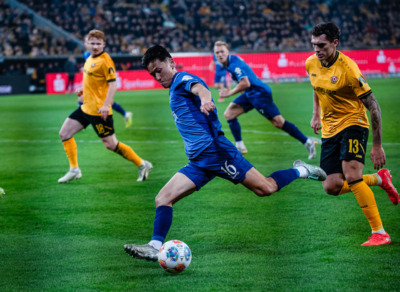
For the first time since October, Darmstadt 98 finished a league match without any points: SV 98 lost 3-1 (2-0) to SG Dynamo Dresden. After a controversial red card against Patric Pfeiffer (42nd minute), the home side scored two goals in first-half stoppage time to secure the victory.
Team News: Three Changes to the Team
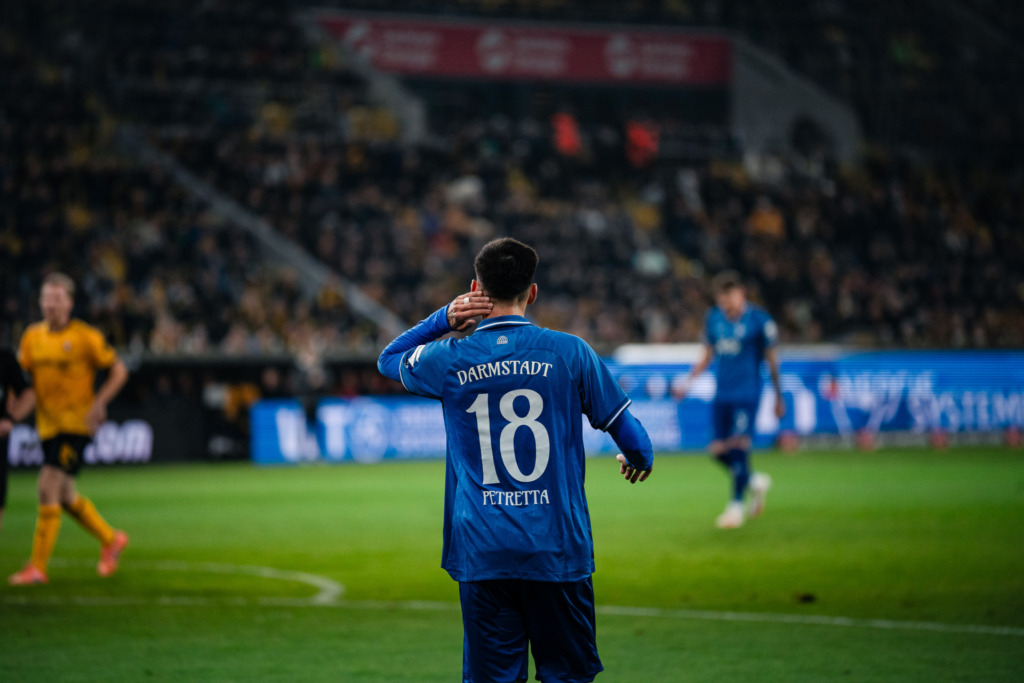
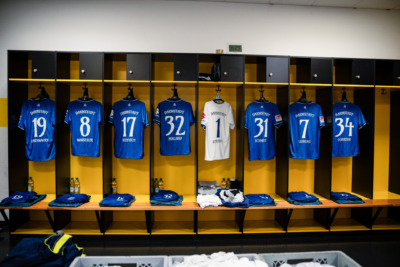
Under the floodlights at the Rudolf-Harbig-Stadium. On Friday evening (February 27th/6:30pm), Darmstadt 98 will play away against Dynamo Dresden. Florian Kohfeldt has made three changes to his starting eleven. Raoul Petretta makes his first start, replacing Fabian Holland. Luca Marseiler starts in place of the suspended Marco Richter, and Hiroki Akiyama replaces Fraser Hornby, who is sidelined with a thigh injury. Fabian Nürnberger, Matthias Bader, and Bartosz Bialek remain unavailable due to injury.

Matchday Guide: All Information for the Dresden Game
A floodlit match at the Rudolf-Haribig-Stadion is always something special. Darmstadt 98 are aiming to take three points back to southern Hesse this Friday evening (February 27th). Kick-off is at 6:30pm. All the important information about the 24th matchday of the 2. Bundesliga is clearly summarised for you in our "Matchday Guide".
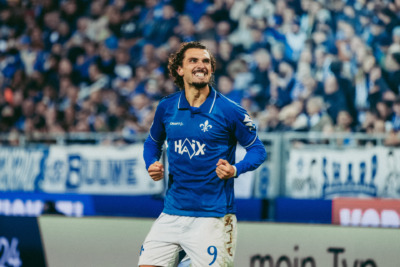
Facts & Stats: The top facts about the Dresden game
Darmstadt 98 aim to extend their unbeaten run to 14 games in Friday evening's match against Dynamo Dresden. While Darmstadt's potent attack has resulted in a respectable goal tally, they are wary at the Rudolf-Harbig-Stadion. The Saxons have been on an upward trend since the winter break and will have a vociferous home crowd behind them. We've compiled all the facts and figures surrounding this clash in this report. Here you'll find the key facts for tomorrow's match.
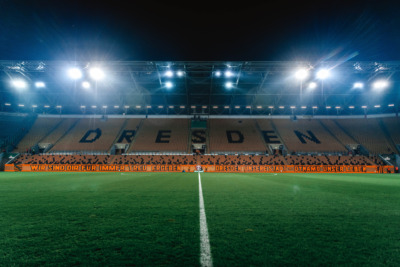
Fan Information for the Dresden Game
Darmstadt and Dresden are 598 kilometres apart. On Friday evening (February 27th, 6:30pm), SV Darmstadt 98 will travel to the Saxon capital for the 24th matchday of the 2nd Bundesliga. The next away game will take place under the floodlights at the historic Rudolf-Harbig-Stadion. You can find all relevant fan information here.
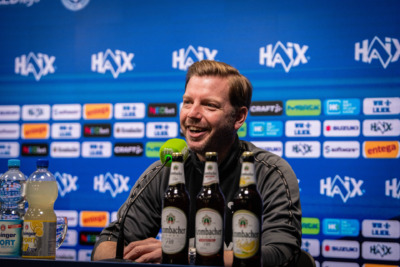
„Pure football romance“
Before SV Darmstadt 98 plays under floodlights in Dresden on Friday evening (27.02/18.30), Florian Kohfeldt spoke at the press conference about the strengths of Dynamo Dresden and the special atmosphere in the Rudolf-Harbig-Stadion.
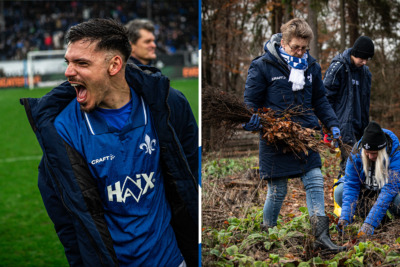
“Now I’m happy in Darmstadt!” | Lilies launch their 5th tree planting campaign
Raoul Petretta joined SV Darmstadt 98 in the winter and already feels very much at home. He talks about his arrival and his goals. Besides their sporting focus, the Lilies are also committed to sustainability: On March 15, 2026, over 3,500 trees will be planted as part of the fifth "In the Sign of the Lily" tree-planting campaign. In our "Lilies Across the Board" section, we provide you with the most important news from SV Darmstadt 98 every week.
Opposition Check: SG Dynamo Dresden
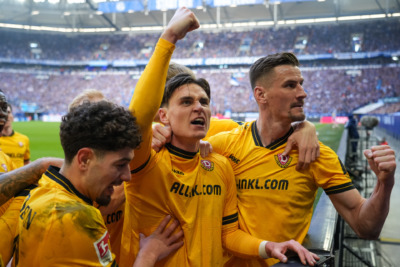
Numerous Dynamo Dresden fans flock to the stadium on home match days. But one day, they came for a single reason: What should their stadium be called in the future? Tens of thousands of supporters gathered in front of the Rudolf-Harbig-Stadion, ready to cast their votes. In cooperation with regional partners, Dynamo Dresden's management took the unusual step of letting the club's supporters decide for themselves.

5th Tree Planting Campaign: Register now!
WirLilien – Together for nature conservation! Together with our partner Krombacher, we will once again plant more than 3,500 trees on Sunday (March 15th) – under the banner of the Lily. You can still register for the event at short notice.
U21: With renewed energy into the rest of the season
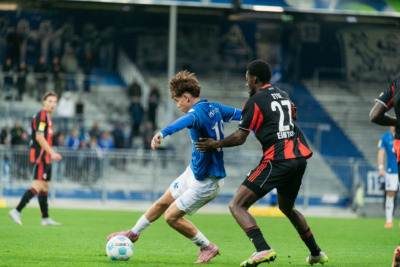
On Friday (February 27th, 7:30pm), SV Darmstadt 98's U21 team begins the second phase of their Hessenliga season. With 23 points after 20 matchdays, the Lilies are currently in 14th place. Following intensive weeks of winter training, the team aims to start the upcoming challenges with renewed energy and secure crucial points.
Analysis of the home victory: The resistance fighters from Bölle
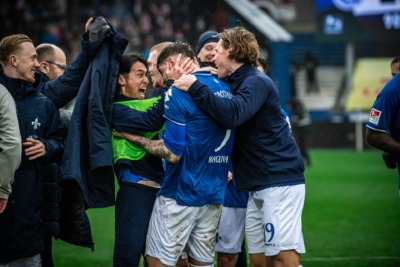
A fast-paced, thrilling exchange between SV Darmstadt 98 and Fortuna Düsseldorf reached its ecstatic climax in the 88th minute. Thanks to Matej Maglica's header, Darmstadt secured a 2-1 victory in a wild battle that resembled a 12-round boxing match, with both sides neglecting their defences and constantly searching for the next hook or punch. A day later, sv98.de looks back on what was probably the most exciting home game of the season so far for the South Hessian side.