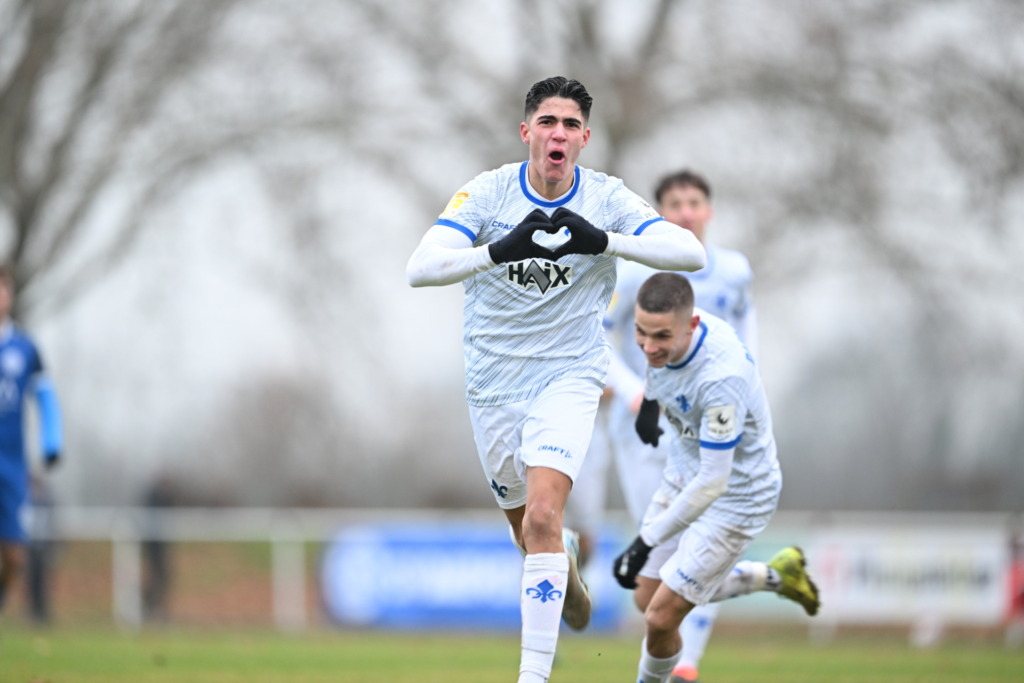
 Foto: Mara Wolf
 05.06.2025 / English
“One focus was on individual development”
SV 98's youth teams are now enjoying their well-deserved summer break. This is a good opportunity to reflect on the past season for the young Lilies. We spoke with Björn Müller, the sporting director of the youth performance center, about various topics.
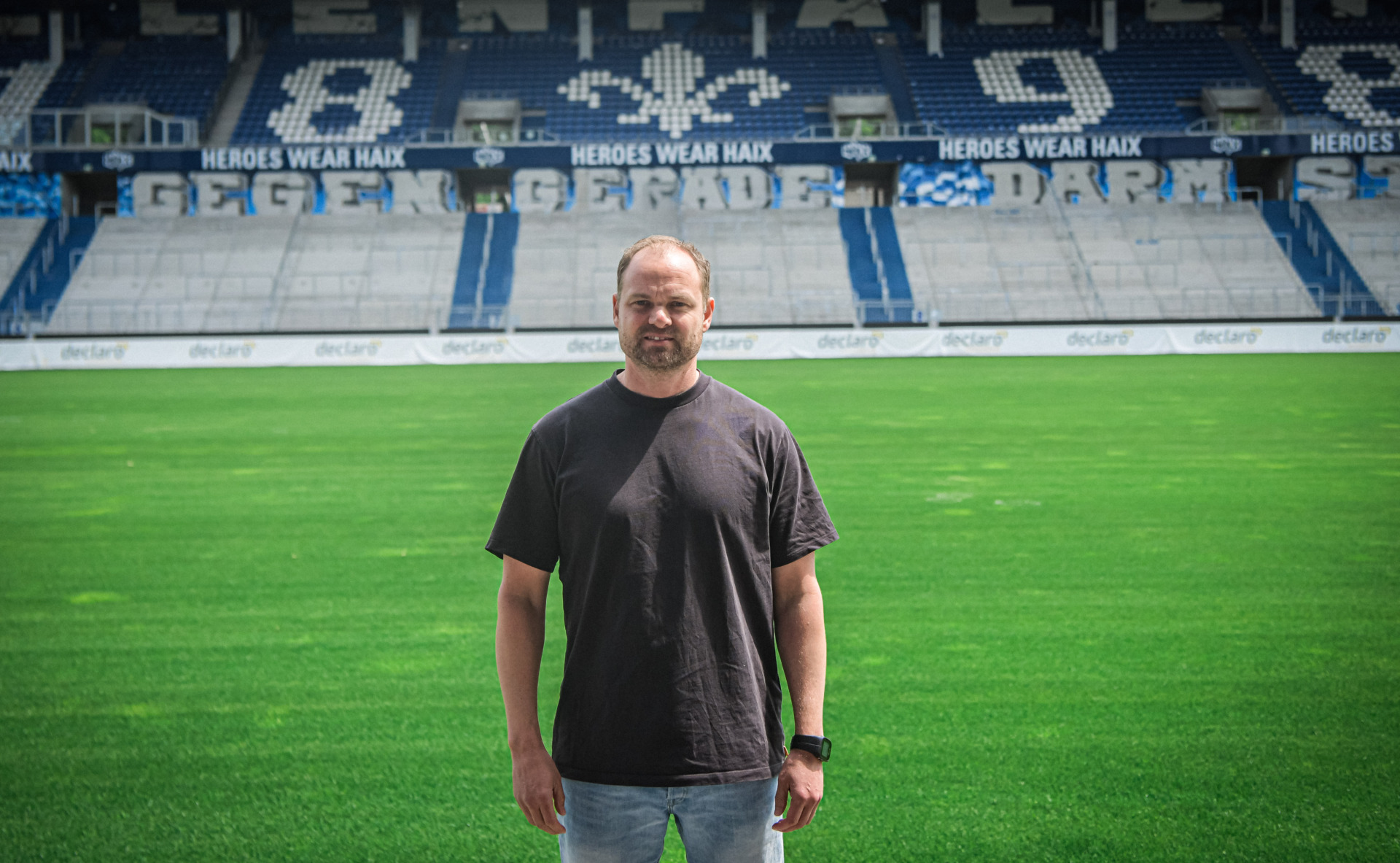
sv98.de: Hello, Björn! Looking back on the 2024/25 season, what’s your overall assessment of the youth academy?
Björn Müller: What our coaches, staff, and players achieved this season was truly impressive. The U10 to U13 teams participated in numerous tournaments and comparison matches, the U14 team performed very well in the Hessenliga against opponents mostly a year older than them, and the U15 team also played a great round in the C-Junior Regionalliga. The U17, U19, and U21 teams had to prove themselves in new situations – and, in my opinion, they did very well. Overall, the assessment is extremely positive, although there is of course always room for improvement.
What progress was evident in the players and teams, both athletically and personally?
It’s always exciting to watch young players develop not only football-wise and physically, but also personally. This development rarely follows a straightforward path – it varies greatly from individual to individual and is characterised by fluctuations. This presents a real challenge for the coaching teams. What’s particularly impressive is the boys‘ passion for pushing themselves to their limits every day – alongside school, homework, and personal matters.
When the individual improves, the team also benefits – that is our approach.
What goals did you set for yourselves at the start of the season – and how satisfied are you with their implementation?
A major focus was on the individual development of each player. We regularly thought about how we could provide targeted support without placing additional strain on the boys‘ already busy daily lives. We believe that if individuals receive better support, their level will rise, and the entire team will benefit. This approach has proven successful again – and the players are really embracing it.
How closely integrated are the age groups at the NLZ – and what role does a consistent playing philosophy play in this?
A common focus is extremely important, but also a major challenge. That’s why I have a meeting with all full-time coaches once a week to discuss athletic development and current issues within the teams. This season, the focus was heavily on individual additional programs for the players, which were implemented in consultation with the coaches. In addition to a shared vision of how we want to play football, a consistent training philosophy is also important to us – while at the same time allowing space for the coaches to contribute their individual strengths.
The reintroduction of the U21 team was absolutely the right thing to do – our players quickly adapted to men’s football.
The U21 team achieved a strong sixth place in its first Hessenliga season and also had the second-best defence. How do you rate that?
The reintroduction of the U21 team was absolutely the right decision. The team is very young and had to quickly adapt to men’s football – which they did extremely well. Before the season, we practically started from scratch; everything was new. But once we arrived in the league, we played very good football. Everyone involved – players, coaches, and the organisational team – took a big step forward.
With Tim Arnold and Max Pfister, two NLZ players are moving up to the senior squad. What does this mean for your work?
That is essentially our mission and a core part of our work in the NLZ. It’s a success, but at the same time, it’s also our own ambition. Ideally, we want to help every player achieve the next stage of their development as best as possible. Tim and Max are on the right track, but they’re not there yet. They now have to show their worth in senior training and can continue to gain match practice in the U21 team. As much as we like them both, we’d be happy to see them rarely with us next season, as they’ve established themselves at the top. To achieve this, they’ll have to invest heavily and perform well.
Foto: Mara Wolf 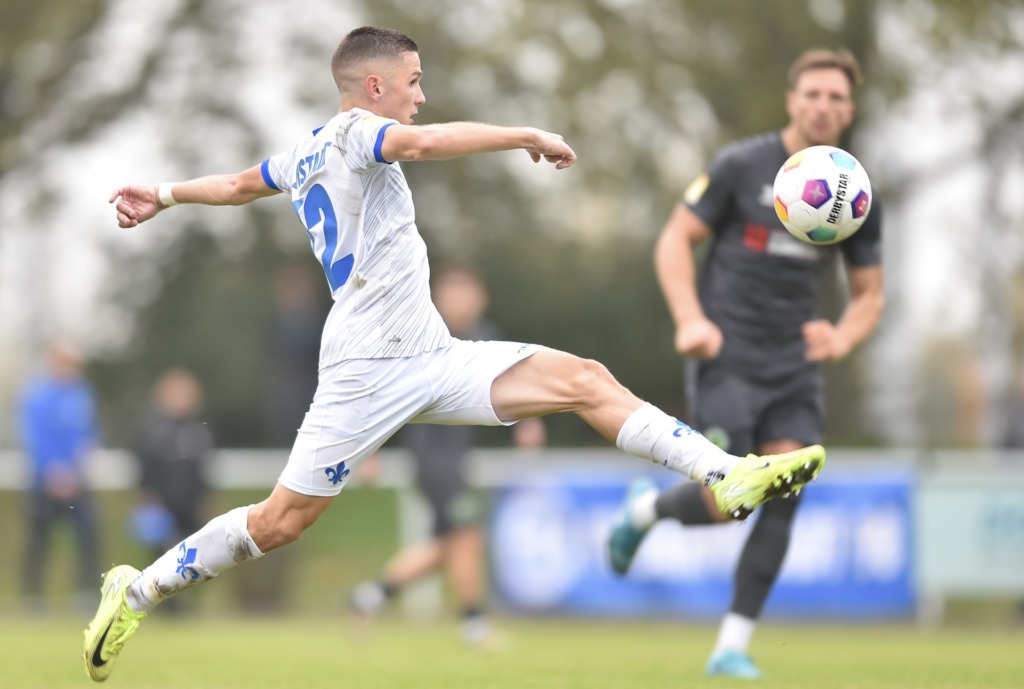 Foto: Mara Wolf
 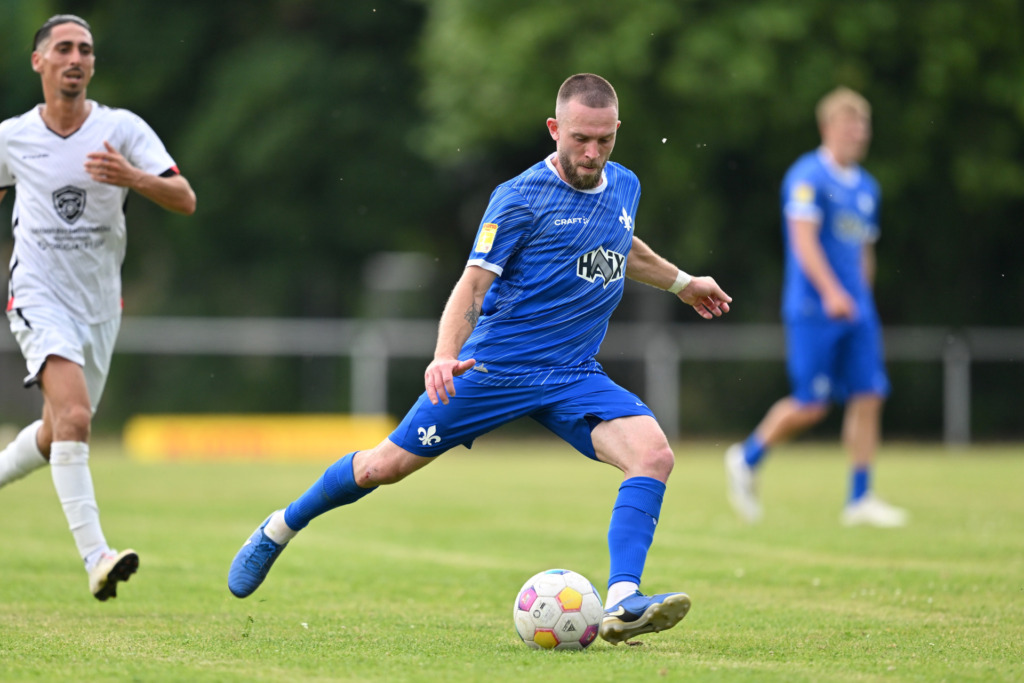 Foto: Mara Wolf
 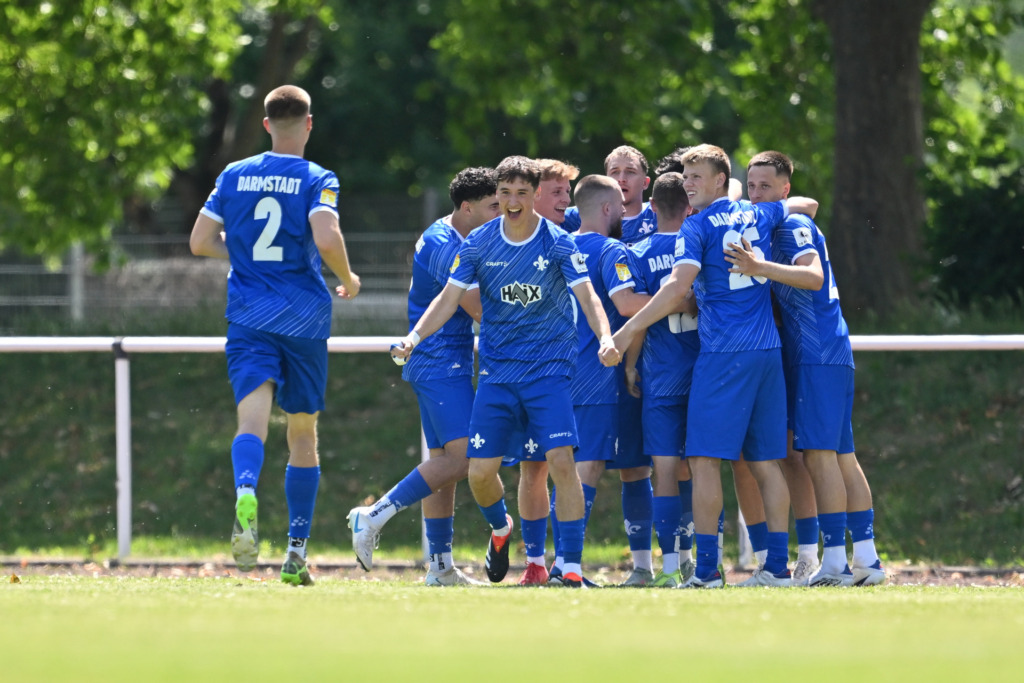 Foto: Mara Wolf
 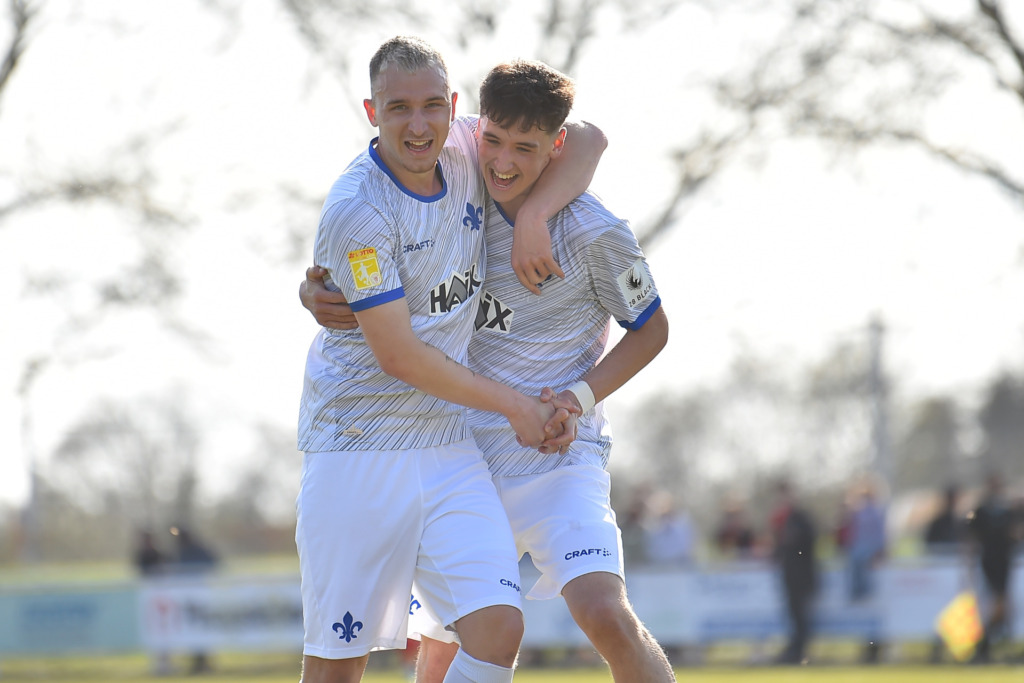 Foto: Mara Wolf
 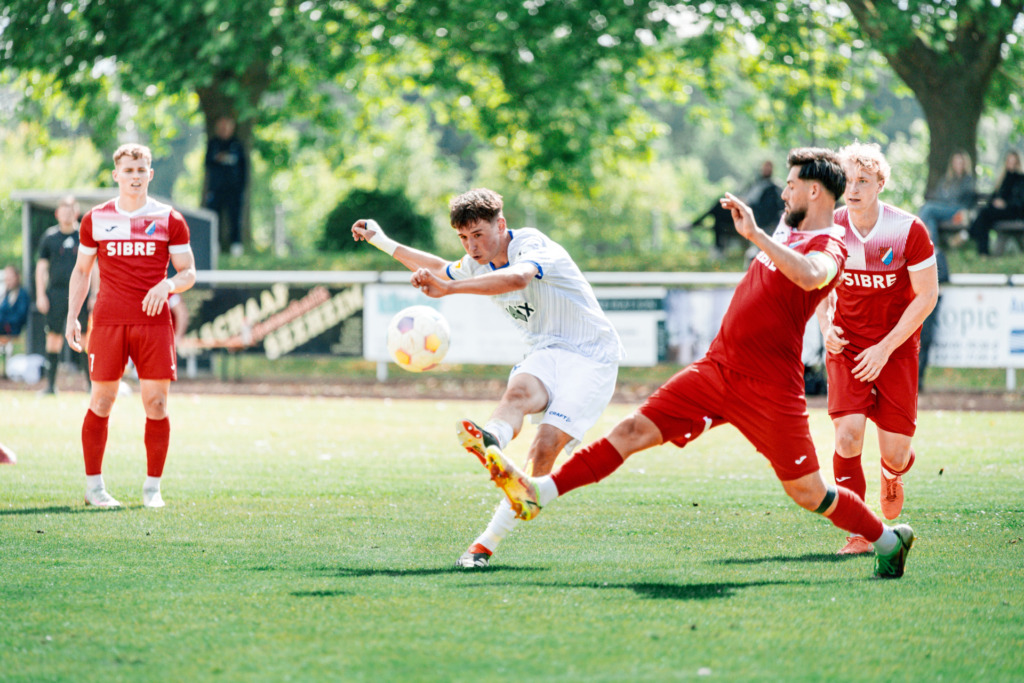 Foto: SV 98
 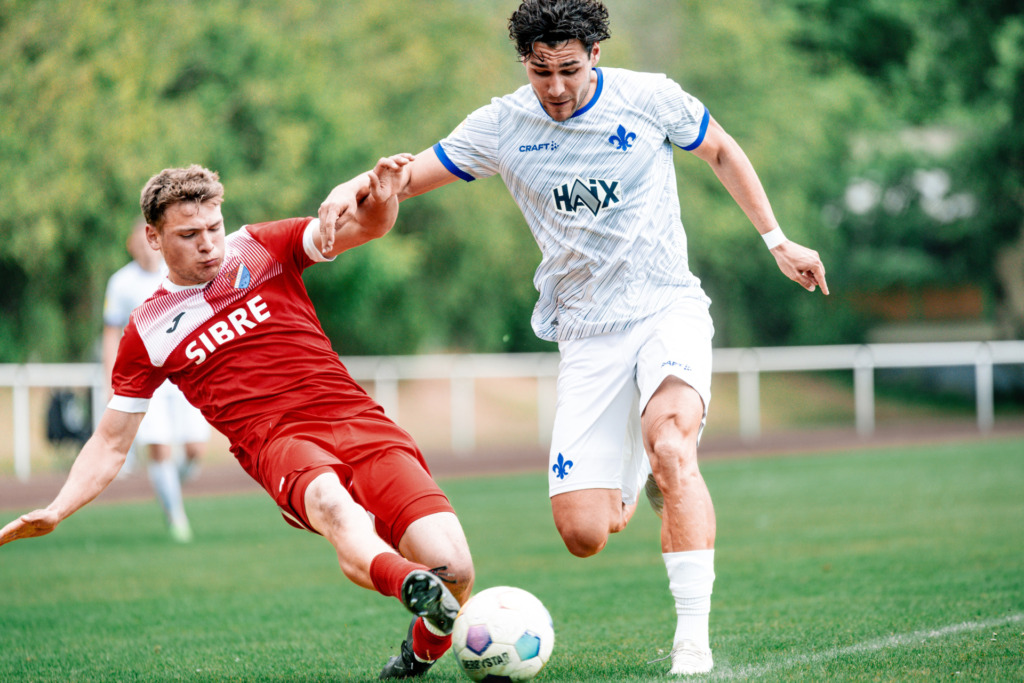 Foto: SV 98
  Foto: SV 98
 The U17 and U19 teams played in the new DFB Youth League for the first time. How do you rate the new league system?
The new structure fits well with our development approach. I didn’t have the impression that the matches had lost any quality or intensity after the preliminary round in the B leagues. Quite the opposite: The emotions on and off the pitch remained high – the players‘ commitment is truly remarkable. Of course, it will take some time for the system to fully establish itself. But fundamentally, I find the new league format very supportive for the development of young talent.
What has specifically changed in your work as a result of the DFB Youth League?
It has helped us to be more flexible with age groups. It has become easier to promote players to higher age groups because there is less pressure from league standings. Our fundamental development approach hasn’t changed – we continue to focus on individual development. The new structure supports our concept in many ways.
 Foto: Mara Wolf
  Foto: Mara Wolf
  Foto: Mara Wolf
 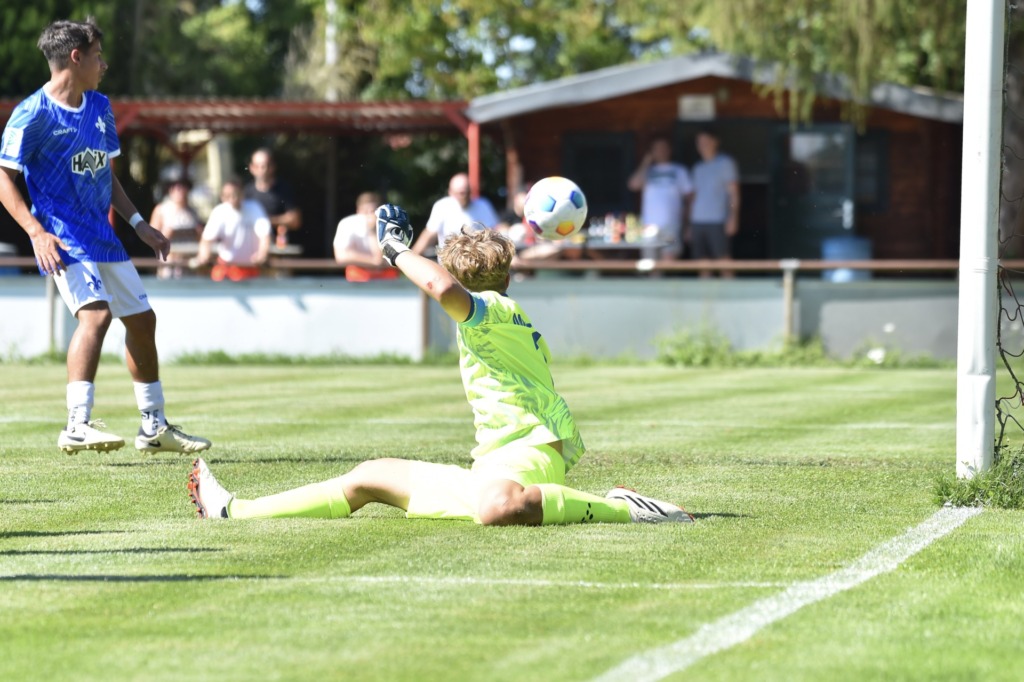 Foto: Mara Wolf
 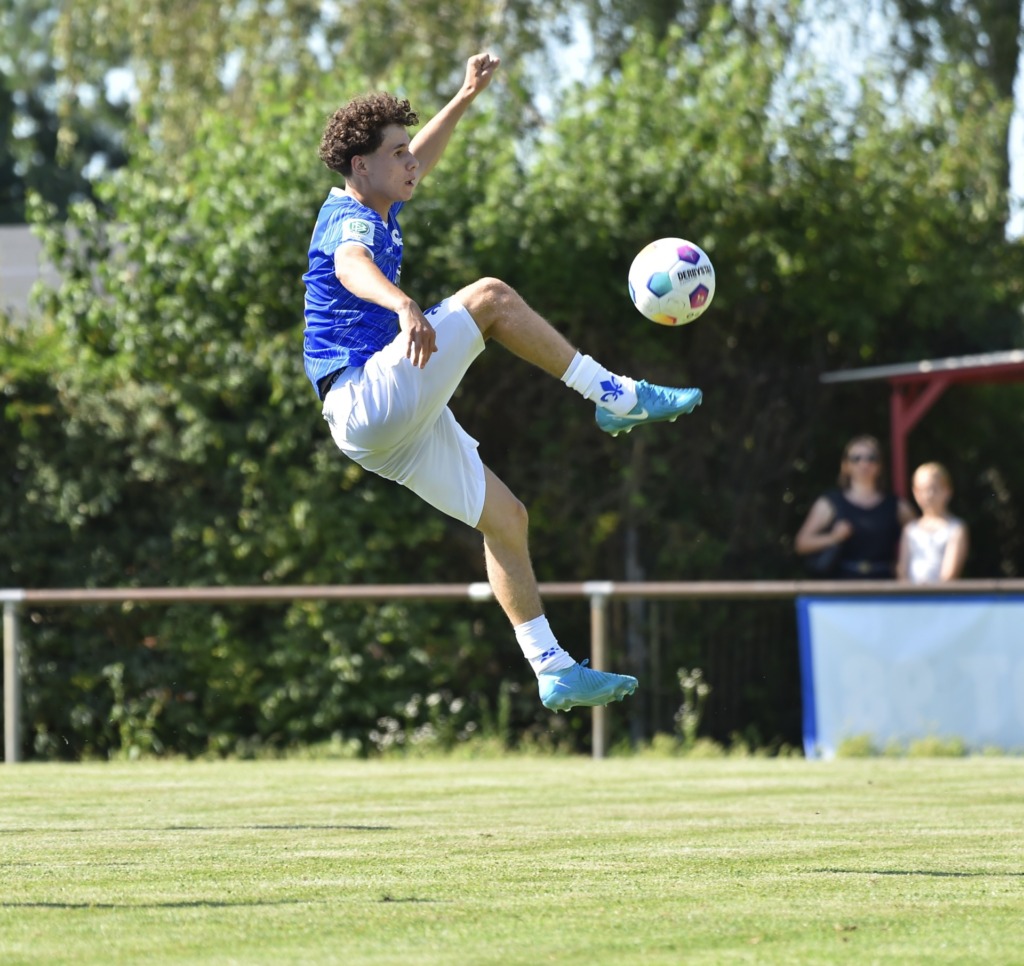 Foto: Mara Wolf
 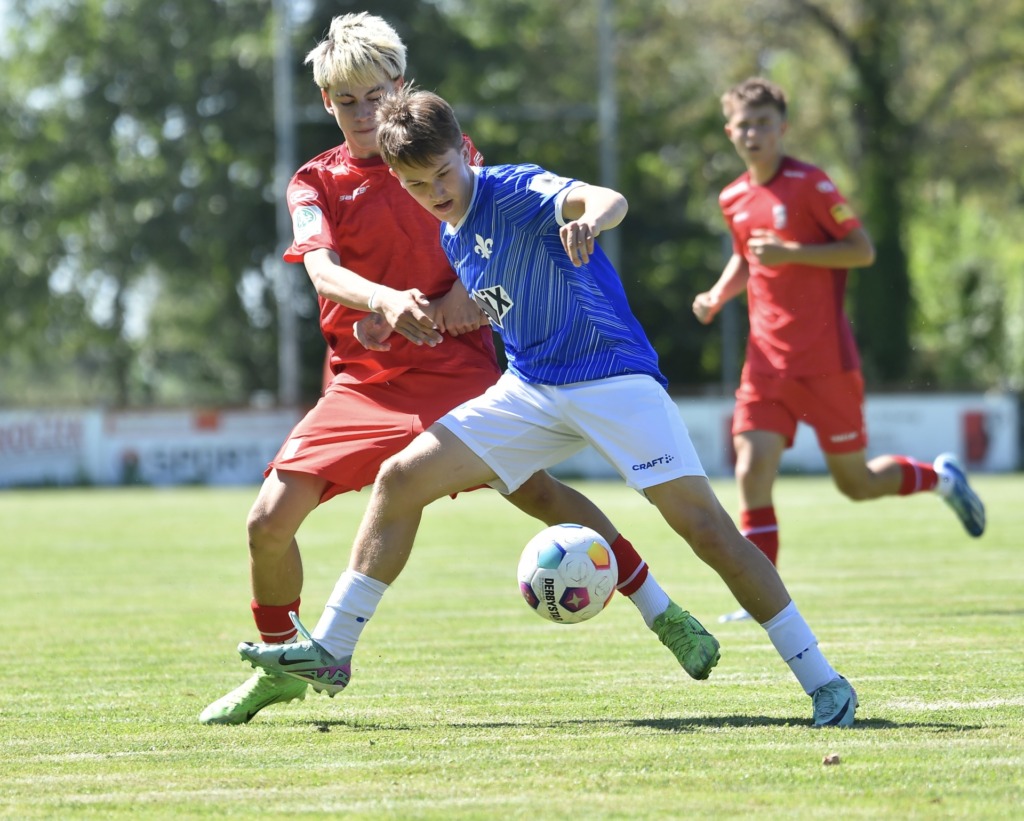 Foto: Mara Wolf
 The U17 and U19 teams both achieved third place in the B League in their debut season. What’s your conclusion?
I’m very pleased with the development of both teams. The players had set themselves the goal of reaching the A League after the preliminary round. I think it’s good that we set such high goals. Both teams performed well in the second half of the season. For a first season in a new competition, third place in the B League is a really decent result. Much more important, however, is that the coaches have improved each player individually.
How important is academic and social development for the U17 and U19 teams, alongside athletic development – and how did you implement that this season?
The balance between sports, school, and social life is extremely important to us – and challenging. Our motto is: Every player can openly approach the coaching staff if they have any academic or personal challenges. Our educational director, Gösta Kiefer, maintains close contact with schools, players, and parents. Our aim is to be as close as possible to the players’ social environment.
When will the teams start the new training year – and what can you expect?
Since the leagues end at different times, the teams also begin their preparations at different times. The transition is therefore fluid. It will be particularly exciting to see how the new recruits find their way in their new teams and how they get off to a good start.
What are the goals of the NLZ for the coming season?
We need a stronger framework in the performance area – especially with regard to the older age groups. They form the pillars for the younger players. In the U19s, we had almost exclusively players from the younger age group this season. We took this into account when planning our squad. The U21s are also facing major changes. Our goal is to create a stable foundation in all parts of the team so that we can optimally develop the players.
Thanks for the interview, Björn!
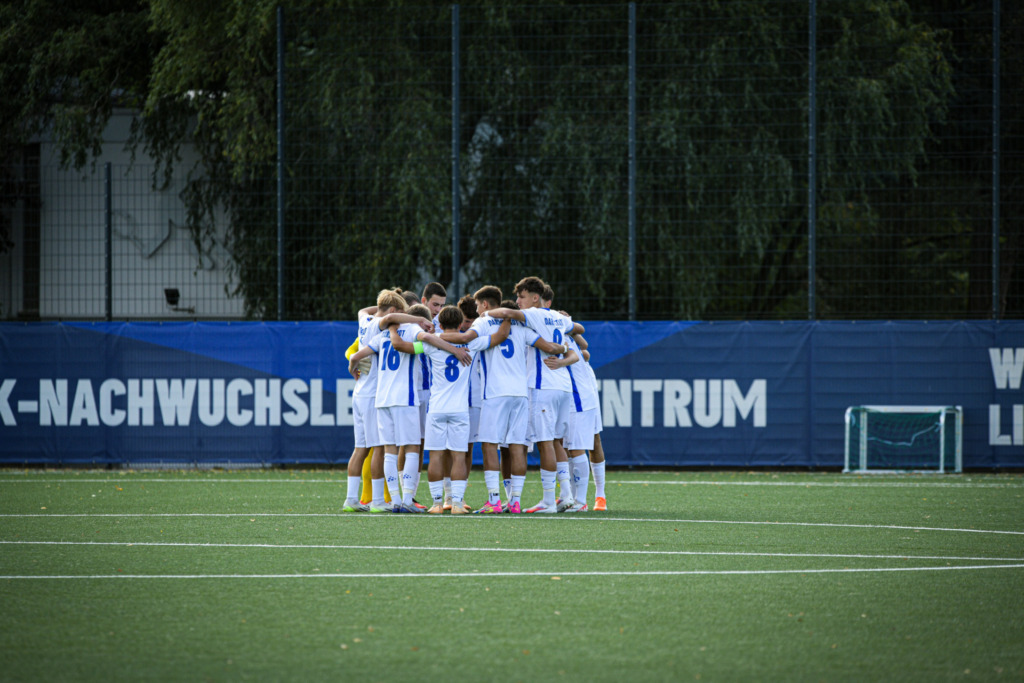
Lack of context
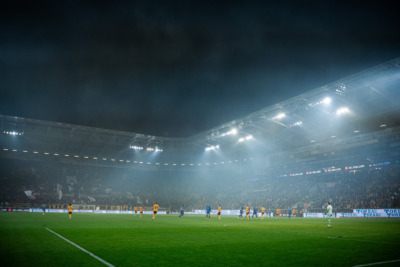
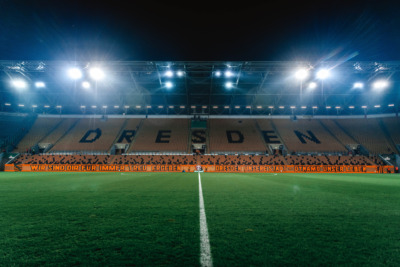
More than 30,000 fans packed the Rudolf-Harbig-Stadion, creating an impressive atmosphere under the floodlights – pure football romance. The setting for Darmstadt's away match against Dynamo Dresden was truly special. Two teams with a playful and attacking approach faced off. For 42 minutes, these ingredients combined to create an entertaining, tactically sophisticated, and intense duel. Until a referee's decision decisively influenced the outcome. We look back on an emotional evening in Dresden.
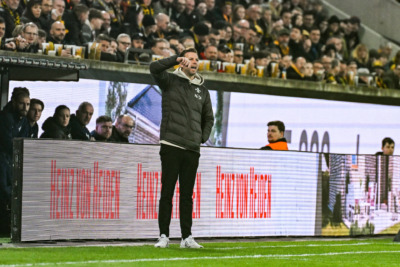
„The referee decided the game today.“
After 13 unbeaten second-division matches, SV Darmstadt 98 suffered their first defeat this Friday evening. Three unfortunate minutes just before halftime, during which Patric Pfeiffer was sent off and Vincent Vermeij scored twice, paved the way for Dresden's victory. After the match, the focus was primarily on the differing assessments of two very similar incidents by the refereeing team – incidents which both coaches subsequently evaluated identically.
Undefeated streak ends
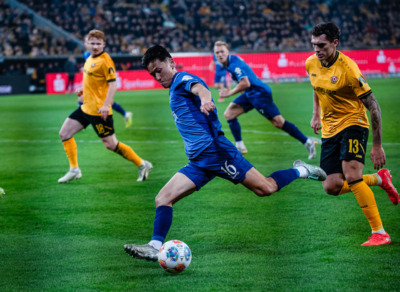
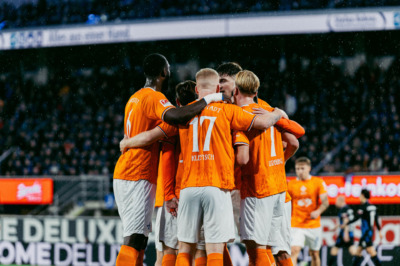
For the first time since October, Darmstadt 98 finished a league match without any points: SV 98 lost 3-1 (2-0) to SG Dynamo Dresden. After a controversial red card against Patric Pfeiffer (42nd minute), the home side scored two goals in first-half stoppage time to secure the victory.
Team News: Three Changes to the Team
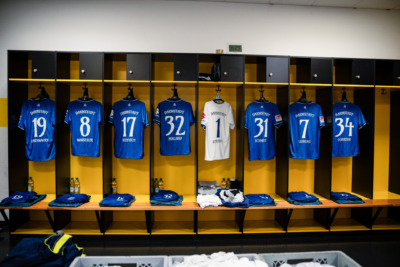
Under the floodlights at the Rudolf-Harbig-Stadium. On Friday evening (February 27th/6:30pm), Darmstadt 98 will play away against Dynamo Dresden. Florian Kohfeldt has made three changes to his starting eleven. Raoul Petretta makes his first start, replacing Fabian Holland. Luca Marseiler starts in place of the suspended Marco Richter, and Hiroki Akiyama replaces Fraser Hornby, who is sidelined with a thigh injury. Fabian Nürnberger, Matthias Bader, and Bartosz Bialek remain unavailable due to injury.
Matchday Guide: All Information for the Dresden Game
A floodlit match at the Rudolf-Haribig-Stadion is always something special. Darmstadt 98 are aiming to take three points back to southern Hesse this Friday evening (February 27th). Kick-off is at 6:30pm. All the important information about the 24th matchday of the 2. Bundesliga is clearly summarised for you in our "Matchday Guide".
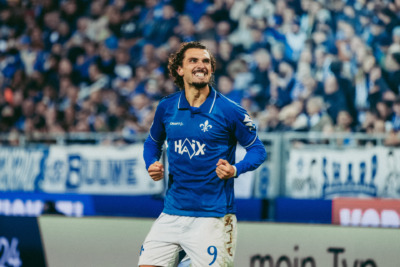
Facts & Stats: The top facts about the Dresden game
Darmstadt 98 aim to extend their unbeaten run to 14 games in Friday evening's match against Dynamo Dresden. While Darmstadt's potent attack has resulted in a respectable goal tally, they are wary at the Rudolf-Harbig-Stadion. The Saxons have been on an upward trend since the winter break and will have a vociferous home crowd behind them. We've compiled all the facts and figures surrounding this clash in this report. Here you'll find the key facts for tomorrow's match.
Fan Information for the Dresden Game
Darmstadt and Dresden are 598 kilometres apart. On Friday evening (February 27th, 6:30pm), SV Darmstadt 98 will travel to the Saxon capital for the 24th matchday of the 2nd Bundesliga. The next away game will take place under the floodlights at the historic Rudolf-Harbig-Stadion. You can find all relevant fan information here.
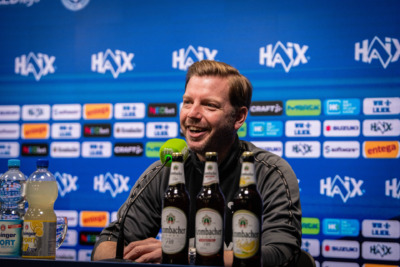
„Pure football romance“
Before SV Darmstadt 98 plays under floodlights in Dresden on Friday evening (27.02/18.30), Florian Kohfeldt spoke at the press conference about the strengths of Dynamo Dresden and the special atmosphere in the Rudolf-Harbig-Stadion.
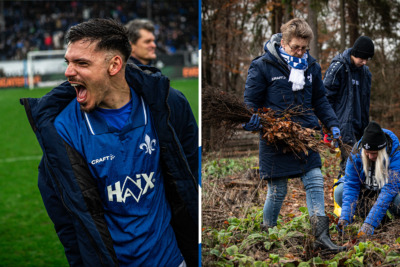
“Now I’m happy in Darmstadt!” | Lilies launch their 5th tree planting campaign
Raoul Petretta joined SV Darmstadt 98 in the winter and already feels very much at home. He talks about his arrival and his goals. Besides their sporting focus, the Lilies are also committed to sustainability: On March 15, 2026, over 3,500 trees will be planted as part of the fifth "In the Sign of the Lily" tree-planting campaign. In our "Lilies Across the Board" section, we provide you with the most important news from SV Darmstadt 98 every week.
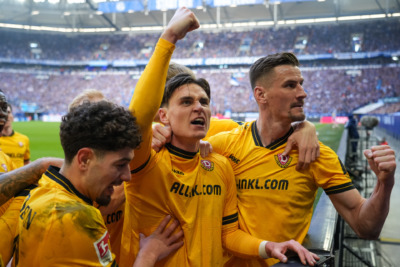
Opposition Check: SG Dynamo Dresden
Numerous Dynamo Dresden fans flock to the stadium on home match days. But one day, they came for a single reason: What should their stadium be called in the future? Tens of thousands of supporters gathered in front of the Rudolf-Harbig-Stadion, ready to cast their votes. In cooperation with regional partners, Dynamo Dresden's management took the unusual step of letting the club's supporters decide for themselves.
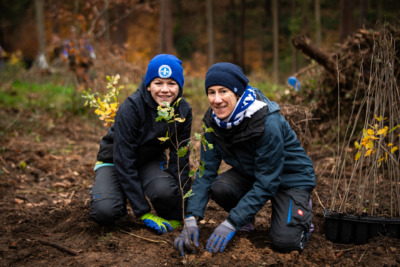
5th Tree Planting Campaign: Register now!
WirLilien – Together for nature conservation! Together with our partner Krombacher, we will once again plant more than 3,500 trees on Sunday (March 15th) – under the banner of the Lily. You can still register for the event at short notice.
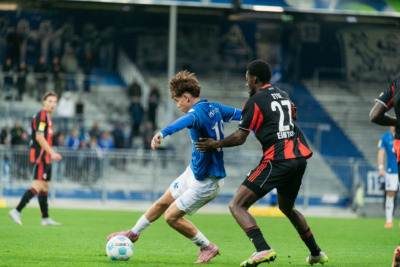
U21: With renewed energy into the rest of the season
On Friday (February 27th, 7:30pm), SV Darmstadt 98's U21 team begins the second phase of their Hessenliga season. With 23 points after 20 matchdays, the Lilies are currently in 14th place. Following intensive weeks of winter training, the team aims to start the upcoming challenges with renewed energy and secure crucial points.